
Biodiversity Net Gain (BNG) Surveys & Consultants in BNG in South East
Biodiversity Net Gain (BNG) surveys and consultants in South East England support planning applications under the Environment Act 2021.
ACP Consultants helps developers, landowners, planners and architects prepare habitat surveys, statutory biodiversity metric calculations and Biodiversity Gain Plans across the region. Our work covers Kent, Surrey, East Sussex, West Sussex, Hampshire, Berkshire and Oxfordshire.
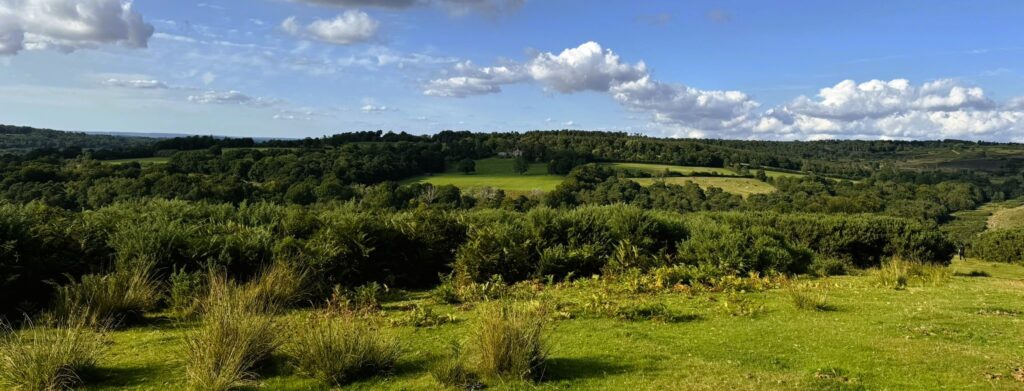
South East England contains a varied mix of chalk grassland, ancient woodland, river corridors, coastal habitats, urban extensions and rural development sites. These landscapes often require carefully designed biodiversity strategies that reflect local planning policy and habitat priorities.
ACP Consultants prepares planning-ready BNG assessments, Habitat Monitoring and Management Plans and ecological reports that support measurable biodiversity improvement. Our consultants help projects reduce planning risk, strengthen green infrastructure and deliver long-term habitat enhancement across the South East.
- Our Biodiversity Net Gain (BNG) Services in South East England:
- BNG baseline habitat surveys (Metric 4.0 compliant)
- Biodiversity unit calculations & deficit analysis
- Habitat creation, enhancement & on-site mitigation design
- Biodiversity Gain Plans (BGP) for planning submission
- Off-site BNG strategy & unit sourcing advice
- Habitat Management & Monitoring Plans (HMMP)
- Pre-application BNG feasibility & risk reviews
- Planning condition discharge & post-consent support
We follow a simple, transparent process to ensure your project runs smoothly from the very first contact to the final report. Our approach is designed to provide you with clarity at every step, so you’re fully informed and confident in moving forward.
01
Step 1: Request a Quote
Fill out our quick quote form or call us, and our team will provide a free, no-obligation quote, outlining the services tailored to your needs.
02
Step 2: Confirm Your Booking
Once you approve the quote, simply return the booking form. We’ll schedule your survey and ensure all the details are taken care of.
03
Step 3: Receive Your Report
After your survey is completed and payment is received, we’ll promptly issue your survey report, ensuring you get the results as quickly as possible.
In the past year, we’ve delivered over 750+ audit-ready reports supporting 400+ projects for developers, planners, and architects nationwide. We put quality over quantity and build lasting relationships based on trust, ensuring your planning applications are backed by robust evidence and delivered on time.
What is Biodiversity Net Gain (BNG) in South East England?
Biodiversity Net Gain (BNG) in South East England requires most qualifying developments to leave habitats measurably better than before works begin. In England, BNG is mandatory under Schedule 7A of the Town and Country Planning Act 1990. This was inserted by the Environment Act 2021. Developers must normally deliver at least a 10% biodiversity gain using the statutory biodiversity metric.
The South East contains some of England’s most varied development and ecological settings. Projects may affect chalk downland, ancient woodland, coastal wetlands, river valleys, parkland, arable margins, brownfield habitats and urban fringe landscapes. Counties including Kent, Surrey, Sussex, Hampshire, Berkshire and Oxfordshire also face strong housing, infrastructure and commercial growth pressures.
A BNG assessment in South East England identifies baseline habitat value and practical options for measurable biodiversity improvement. Common measures include native planting, species-rich grassland, woodland edge enhancement, wetland creation, hedgerow restoration and green infrastructure links. ACP Consultants prepares habitat mapping, metric calculations, Biodiversity Gain Plans and long-term management strategies tailored to local planning authority expectations. This approach helps developers support planning compliance while delivering credible habitat enhancement across the region.
Biodiversity Net Gain Across South East England’s Counties, Councils and Growth Areas
Biodiversity Net Gain requirements now shape planning decisions across counties, districts, boroughs and unitary authorities throughout South East England. ACP Consultants supports developments across Kent, Surrey, East Sussex, West Sussex, Hampshire, Berkshire and Oxfordshire, helping projects align with local planning policy, green infrastructure strategies and biodiversity objectives. Our consultants regularly prepare BNG assessments for schemes within Canterbury City Council, Maidstone Borough Council, Medway Council, Ashford Borough Council, Guildford Borough Council, Waverley Borough Council, Horsham District Council, Chichester District Council, Brighton & Hove City Council, Winchester City Council, East Hampshire District Council, Reading Borough Council, Wokingham Borough Council, Oxford City Council and Cherwell District Council.
The South East contains some of England’s fastest-growing towns, cities and regeneration corridors. Developments across Reading, Oxford, Canterbury, Maidstone, Guildford, Crawley, Brighton, Portsmouth, Southampton and Milton Keynes increasingly require detailed biodiversity evidence before planning approval. Local planning authorities often review biodiversity enhancement alongside drainage, climate resilience, natural capital and green infrastructure delivery. Habitat connectivity remains particularly important near ancient woodland, chalk grassland, coastal wetland, river corridors and urban fringe landscapes.
ACP Consultants prepares planning-ready BNG surveys, DEFRA Metric calculations, Biodiversity Gain Plans and Habitat Monitoring and Management Plans tailored to local authority requirements across the South East. Our regional experience helps developers navigate differing validation expectations while delivering measurable biodiversity improvement and long-term ecological resilience across residential, commercial and strategic development sites.
Environment Act 2021 and Local BNG Policy in South East England
BNG in South East England reflects the national statutory framework and local planning authority expectations across the region. Applicants must use the statutory biodiversity metric to calculate baseline habitat units and post-development biodiversity value. The metric considers habitat size, condition, strategic significance and habitat type when calculating biodiversity units.
Local planning authorities across the South East increasingly expect clear BNG evidence at validation and decision stages. Common requirements include baseline habitat surveys, statutory metric workbooks, Biodiversity Gain Plans and Habitat Monitoring and Management Plans. Many authorities also review how proposals relate to Local Nature Recovery Strategies, green infrastructure networks and locally important habitats.
South East projects often require careful planning because the region contains sensitive ecological assets and high development pressure. Ancient woodland buffers, chalk grassland, river corridors, coastal grazing marsh and priority habitats can strongly influence design. ACP Consultants prepares planning-ready BNG assessments that align with national legislation and local validation requirements. Our consultants identify realistic habitat enhancement measures, reduce metric risk and support long-term ecological management. This helps schemes progress efficiently while delivering measurable biodiversity improvement across South East England.
Using the Statutory Biodiversity Metric
BNG assessments in South East England use the statutory biodiversity metric to calculate habitat value before and after development. The metric measures biodiversity units by considering habitat size, type, condition and strategic significance. It also accounts for delivery risk, habitat creation difficulty and time needed for habitats to mature.
In the South East, metric accuracy matters because habitats vary widely across short distances. A single project may include arable margins, hedgerows, grassland, woodland edges, ponds, watercourses and urban planting. Coastal and chalk landscapes also require careful habitat classification and realistic condition targets. Over-optimistic assumptions can create planning risk, especially where proposed habitats need long establishment periods.
ACP Consultants prepares statutory biodiversity metric calculations supported by UKHab mapping, condition assessments and clear technical notes. Our consultants test design options early to identify practical routes to the required biodiversity uplift. We also align the metric with Biodiversity Gain Plans, Habitat Monitoring and Management Plans and long-term management responsibilities. This structured approach helps developers avoid delays caused by coding errors, weak assumptions or unrealistic habitat delivery commitments.
ACP’s Role and BNG Services Across South East England
ACP Consultants delivers Biodiversity Net Gain support across South East England, helping developers, planners, architects and landowners manage evolving planning and ecological requirements. Our consultants prepare DEFRA Metric calculations, Biodiversity Gain Plans and Habitat Monitoring and Management Plans for projects ranging from small residential schemes to strategic mixed-use developments. The South East contains some of England’s most pressured development corridors, including the Oxford-Cambridge Arc interface, Thames Gateway growth areas, coastal regeneration zones and expanding commuter settlements across Kent, Surrey, Sussex and Hampshire.
Our work regularly supports developments near ancient woodland, chalk grassland, river valleys, floodplain habitats and protected landscape settings where biodiversity constraints influence site layout and planning strategy. We prepare planning-ready ecological reports that explain habitat conditions, biodiversity calculations and enhancement measures in clear and practical language. Services include UKHab mapping, baseline habitat surveys, biodiversity unit calculations, Gain Plans and long-term monitoring frameworks. ACP Consultants focuses on realistic habitat enhancement that aligns with planning policy, landscape design and long-term land management. This approach helps developers reduce planning delays while delivering measurable biodiversity improvement across South East England.
Habitat Enhancement and Green Infrastructure Across the South East
South East England contains a diverse network of ecological landscapes that support biodiversity recovery and long-term environmental resilience. Ancient woodland, chalk streams, lowland heath, grazing marsh, species-rich grassland and river corridors all contribute to regional ecological connectivity. Many local planning authorities now expect developments to strengthen these networks through integrated green infrastructure and measurable biodiversity enhancement.
Developments across the South East increasingly include habitat creation, wetland restoration, woodland buffering, hedgerow enhancement and sustainable drainage features within wider landscape strategies. Urban extensions and regeneration projects also rely on biodiverse roofs, rain gardens, native planting and pollinator-friendly public realm improvements to support biodiversity objectives within constrained sites. ACP Consultants prepares BNG assessments that connect habitat enhancement with wider planning, drainage and landscape design priorities. Our consultants identify realistic ecological opportunities that remain practical for residential, commercial, infrastructure and mixed-use developments. This approach helps projects support climate resilience, habitat connectivity and long-term biodiversity improvement throughout the South East region.
BNG Reports and Surveys We Offer Across South East England
ACP Consultants provides Biodiversity Net Gain reporting services tailored to local authority validation requirements and DEFRA Metric 4.0 guidance across South East England. Our consultants prepare planning-ready ecological reports for residential development, strategic land promotion, infrastructure schemes, rural diversification projects and mixed-use regeneration sites. Projects throughout Kent, Surrey, Sussex, Hampshire, Berkshire and Oxfordshire often require carefully designed biodiversity strategies due to habitat sensitivity, growth pressure and local planning expectations.
BNG Survey / Biodiversity Net Gain Surveys
A BNG survey establishes habitat type, ecological condition and biodiversity value across development sites. Surveys commonly assess grassland, woodland edges, hedgerows, wetlands, ponds, arable margins and urban green infrastructure that contribute biodiversity units under the statutory metric.
BNG Assessment / Biodiversity Net Gain Assessments
A BNG assessment measures biodiversity units lost and gained through development proposals. The assessment identifies practical habitat enhancement opportunities that support measurable ecological improvement and planning compliance.
Biodiversity Gain Plans (BGPs)
Biodiversity Gain Plans set out biodiversity calculations, habitat enhancement measures and long-term ecological commitments required for planning approval. ACP Consultants prepares planning-ready BGPs aligned with local authority policy and DEFRA requirements.
Habitat Monitoring and Management Plans (HMMP)
HMMPs provide structured monitoring and management frameworks that protect habitat condition throughout the required management period. These plans support long-term ecological performance and measurable biodiversity improvement across development sites.
BNG Exemption Statements
Some developments may qualify for exemptions from mandatory Biodiversity Net Gain requirements. ACP Consultants prepares exemption statements that demonstrate compliance with biodiversity legislation and local planning expectations across South East England.
Book a Biodiversity Net Gain Survey in the South East
Our ecologists deliver Defra Metric 4.0–compliant BNG surveys across the South East, providing robust baseline data, habitat condition assessments and early advice to support planning submissions.
Explore BNG Services Across the South East Region
ACP Consultants provides full Biodiversity Net Gain (BNG) support across the South East. For region-specific requirements validation checklists, county priorities and timelines see our dedicated pages:
- BNG Surveys & Consultants in Kent – Canterbury, Maidstone, Medway and wider Kent authorities.
- BNG Surveys & Consultants in Surrey – including Guildford, Waverley and Mole Valley.
- BNG Surveys & Consultants in West Sussex – Chichester, Horsham and Crawley.
- BNG Surveys & Consultants in East Sussex – from Brighton & Hove to Wealden and Rother.
- BNG Surveys & Consultants in Hampshire – including Winchester, East Hants and Solent authorities.
- BNG Surveys & Consultants in Berkshire – Reading, Wokingham and West Berkshire.
- BNG Surveys & Consultants in Oxfordshire – Oxford, Cherwell and Vale of White Horse.
Each page explains local BNG policy expectations, habitat priorities and planning procedures so your project aligns with national regulations and local delivery.
References and Useful Resources
The following references and guidance documents provide important technical, policy and planning context for Biodiversity Net Gain (BNG) across South East England. These resources include national legislation, DEFRA guidance, local planning authority validation requirements, biodiversity strategies and green infrastructure policies relevant to developments throughout Kent, Surrey, Sussex, Hampshire, Berkshire and Oxfordshire. They support Biodiversity Gain Plans, DEFRA Metric 4.0 calculations, Habitat Monitoring and Management Plans and wider ecological assessment work associated with planning applications and long-term habitat enhancement across the South East region.
National Biodiversity Net Gain Guidance
- Defra & Natural England – Biodiversity Metric: Calculate the biodiversity net gain of a project or development
- Lichfield District Council – Biodiversity Net Gain (BNG) Guidance for Planning Applications
- East Devon District Council – How is Biodiversity Net Gain Measured?
- Defra (July 2025) – The Statutory Biodiversity Metric: User Guide
- North Hertfordshire District Council – How to Measure Biodiversity Net Gain
- Chartered Institute of Ecology and Environmental Management (CIEEM) – Biodiversity Net Gain Case Studies & Good Practice
- CIEEM – Biodiversity Net Gain Report and Audit Templates
- UK Statutory Instruments – The Biodiversity Gain Requirements (Exemptions) Regulations 2024
- Natural England – Habitat Management and Monitoring Plan (HMMP) Template (JP058)
- Defra – Biodiversity Gain Plan: Template and Guidance
- Defra – Guidance: Understanding Biodiversity Net Gain
- Natural England – Biodiversity Net Gain: Where to Start
- Adur Local Plan Biodiversity Study
- Arun Biodiversity Action 2025
- Biodiversity Net Gain : Ashford Borough Council
- Biodiversity Net Gain (BNG) : Basingstoke and Deane Borough Council
- Biodiversity Net Gain (BNG) : Cherwell Council
- Biodiversity net gain : East Hampshire
- Biodiversity Net Gain : Mole Valley
- Biodiversity Net Gain : Tonbridge & Malling Borough
South East England Planning Authorities and Biodiversity Guidance
- Ashford Borough Council – Biodiversity Net Gain Guidance
Planning guidance covering BNG validation requirements, biodiversity gain objectives, habitat banks and Local Nature Recovery Strategy links within Ashford Borough. - Ashford Borough Council – The BNG Process
Detailed explanation of biodiversity gain conditions, habitat enhancement, off-site biodiversity units and statutory credits. - Ashford Borough Council – BNG Guidance for Planning Applications
Guidance explaining how Ashford Borough Council assesses biodiversity gain objectives during planning determination and validation. - Ashford Local Plan 2030
Current Local Plan setting out sustainable development principles, land allocation strategy and biodiversity policy requirements across Ashford Borough. - Basingstoke and Deane Borough Council – Biodiversity Net Gain (BNG)
Council guidance outlining statutory BNG requirements, biodiversity gain expectations and planning application requirements. - Basingstoke and Deane – Planning Guidance for the Natural Environment
Landscape, biodiversity and green infrastructure planning guidance supporting Local Plan biodiversity policies and environmental protection measures. - Basingstoke and Deane – Biodiversity Strategy 2023–2029
Biodiversity strategy covering habitat enhancement, ecological resilience, natural capital and biodiversity recovery across the borough. - Basingstoke and Deane – Policy ENV6 Biodiversity, Geodiversity and Nature Conservation
Emerging Local Plan policy framework for biodiversity enhancement, ecological networks and measurable biodiversity gain. - Basingstoke and Deane – Biodiversity Gain Unit Creation
Council initiative relating to habitat banks, biodiversity gain units and long-term ecological enhancement projects. - PUSH South Hampshire – Biodiversity Net Gain Mitigation for New Developments
South Hampshire guidance covering biodiversity mitigation, BNG delivery and strategic ecological planning across Solent authorities.
Additional South East Biodiversity and Planning Resources
- Local Government Association – Biodiversity Net Gain in Local Plans and Strategic Planning
Guidance for local planning authorities integrating BNG into Local Plans, strategic policy and planning validation frameworks. - Natural England – Green Infrastructure Framework Design Guide
Guidance on green infrastructure, ecological connectivity, landscape integration and nature-based planning across development sites. - Ashford Borough Council – Environmental Matters and Biodiversity
Environmental planning guidance relating to biodiversity net gain, climate resilience and sustainable development within Ashford Borough. - Ashford Borough Council – Biodiversity and Climate Change
Guidance on biodiversity recovery, Local Nature Recovery Strategies and biodiversity enhancement within planning policy. - Natural Basingstoke – Local Plan and Ecological Networks
Discussion of ecological corridors, chalk streams, biodiversity networks and environmental constraints affecting strategic growth areas in Hampshire.
Our Core Values – Built on TRUST
Frequently Asked Questions
Biodiversity Net Gain (BNG) in South East England now forms a central part of the planning process for most qualifying developments. Projects across Kent, Surrey, Sussex, Hampshire, Berkshire and Oxfordshire must demonstrate measurable biodiversity improvement using DEFRA’s Statutory Biodiversity Metric 4.0 and long-term habitat management commitments. The South East contains some of England’s most environmentally sensitive and heavily developed landscapes, including ancient woodland, chalk grassland, river valleys, coastal wetlands and expanding urban growth corridors.
Local planning authorities increasingly expect robust ecological evidence before validating planning applications. Requirements often include baseline habitat surveys, Biodiversity Gain Plans, Habitat Monitoring and Management Plans and realistic habitat enhancement strategies linked to local nature recovery priorities. The following FAQs explain how BNG applies across South East England, covering statutory requirements, local planning expectations, biodiversity units, habitat management, off-site delivery, monitoring obligations and common challenges affecting residential, commercial, infrastructure and strategic development projects throughout the region.
How Much Biodiversity Net Gain Do I Need in the South East?
Most qualifying applications must achieve at least 10% net gain. Some authorities encourage higher uplift where strategic opportunities exist (e.g., chalk grassland restoration, woodland buffering or wetland creation in flood-sensitive catchments). Early feasibility checks prevent late redesigns.
When Does BNG Apply to Small Sites in the South East?
Small sites are in scope under the national commencement dates. Householder works can be exempt, but minor schemes that affect semi-natural habitats usually need a proportionate approach. Ask us to confirm if your proposal falls under the regime and what evidence is required.
What Documents Are Required for BNG Validation?
Typically: a baseline habitat survey and condition assessment, the completed metric workbook, a Biodiversity Gain Plan and an HMMP. Where off-site units are proposed, provide proof of registration and legal securement alongside plan drawings that show habitat locations and management access.
Can Off-Site Biodiversity Units Be Used in the South East?
Yes, where on-site uplift is demonstrably constrained. Many LPAs prefer units within the same strategic area or Local Nature Recovery Strategy boundary, with like-for-like habitat matches. Budget for unit availability and prices early to avoid programme risk.
How Are Ecosystem Services Considered?
While BNG focuses on biodiversity units, authorities increasingly look at ecosystem services flood mitigation, shading, air quality and recreation especially in growth locations. We can align BNG with green infrastructure planning, so the landscape works harder for both people and nature.
Do I need a Biodiversity Gain Plan and an HMMP for every qualifying application?
Yes. The Biodiversity Gain Plan explains how your scheme achieves the minimum uplift. The Habitat Management & Monitoring Plan (HMMP) sets out responsibilities, targets, indicators and reporting frequency for the 30-year period. Together, they provide the enforceable blueprint for delivery.
What is included in a South East BNG baseline survey and ecological assessment?
A proportionate ecological assessment will: map habitats to UKHab, score condition and connectivity, identify constraints (e.g., ancient woodland buffers, river corridors), and set realistic targets for post-development habitats. Where relevant, we integrate flora and fauna surveys to inform layout and management, ensuring the metric assumptions are defensible.
How are irreplaceable habitats treated under BNG in the South East?
Irreplaceable habitats (e.g., ancient woodland, veteran trees) are not accounted for in the same way as other habitats and trigger stricter policy and mitigation routes. Avoidance and buffering are the priority. If present, engage early to avoid invalidation or refusal.
Can I combine BNG with carbon offset projects or SuDS features?
Yes, many schemes co-design habitats with SuDS and tree planting. While carbon offset projects sit outside the metric, features like wetlands, swales and diverse grasslands can contribute to BNG units and provide climate resilience. We help ensure the planting palette and management regime support both.
What counts as strategic significance in the metric for South East projects?
Strategic significance reflects alignment with local strategies (e.g., Local Nature Recovery Strategies, habitat opportunity maps). Habitats in priority locations may receive a positive multiplier in the metric another reason to consider green infrastructure networks and connectivity at concept stage.
Will BNG delay my planning programme?
BNG rarely delays programmes when designed in from feasibility. Delays occur if baselines are missing, metric sheets contain errors or management commitments are unrealistic. We plan surveys, agree targets with the design team and produce a submission-ready pack to de-risk validation.
Are biodiversity credits guaranteed to be available in the South East?
No availability varies by habitat type and geography. Prices shift with demand, and authorities may prefer on-site uplift where possible. If credits or off-site units are essential, secure them early and evidence their registration and legal term.
How is monitoring enforced over 30 years?
Monitoring is secured through planning obligations. The HMMP specifies metrics, schedule and reporting. Failure to deliver can trigger enforcement; conversely, a clear plan with realistic milestones helps everyone stay on track and provides assurance to funders and asset managers.
What is the role of natural capital accounting in South East BNG submissions?
Natural capital accounting does not replace the metric, but it can support the planning case by quantifying wider benefits e.g., water storage, shading, recreation especially in growth corridors. We can prepare concise natural capital narratives to complement your BNG evidence.
How do ecological consultancy services and ecosystem services evaluation support BNG in the South East?
Ecological consultancy services provide the technical foundation for delivering successful Biodiversity Net Gain (BNG) outcomes. They combine habitat surveys, biodiversity metric calculations, and compliance documentation with a broader understanding of planning and design. In the South East, this expertise ensures that projects meet both statutory obligations and local authority expectations for measurable habitat enhancement.
Beyond compliance, many planning authorities now emphasise ecosystem services evaluation an approach that measures wider environmental and social benefits such as flood mitigation, carbon sequestration, shading, recreation and pollinator support. Integrating these values within a BNG submission not only strengthens the ecological justification but also demonstrates alignment with sustainable development and natural capital objectives across the South East region.
Do I need species surveys as part of BNG?
BNG focuses on habitats, but wildlife survey methods for protected species may still be required for planning. Where species constraints interact with habitat proposals, we coordinate timing and methods so BNG and species planning conditions align.
Can I phase delivery of BNG habitats?
Yes, with a clear phasing plan and interim management. Time lags and establishment risks must be reflected in the metric assumptions. We structure phasing so delivery is realistic and each phase remains policy-compliant.
How does BNG intersect with Environmental Impact Assessment (EIA)?
For EIA development, environmental impact studies and BNG should be consistent. The ES biodiversity chapter and the metric must tell the same story. We ensure cross-referencing and coherence so reviewers can follow the logic from baseline to uplift and management.
What happens if my site is mostly hardstanding or low-value habitats?
Opportunities often exist for meaningful uplift through green roofs, native planting, attenuation basins and pocket woodlands. We test options in the metric to find a cost-effective route to compliance while improving site function and amenity.
Is a conservation management plan needed after permission is granted?
For complex or strategic sites, a conservation management plan can sit alongside the HMMP to guide long-term stewardship, governance and funding. This can be valuable where community access, interpretation or education goals are part of the vision.
How do I show value for money while meeting BNG?
Early options testing helps identify the most efficient habitats to deliver and manage. Aligning planting with maintenance regimes and contractors’ capabilities reduces whole-life costs while still achieving the uplift.
Testimonials
Trusted by Clients Across the UK – Consistently Rated 5-Stars for Professionalism and Expertise

 Denise Skinner
Trustindex verifies that the original source of the review is Google.
Excellent Pump House Designs Battle OfficeVery efficient and professional service provided on one of our local projects
 James LukerI found ACP to be both cost effective and and very professional in the emergence survey that they recently undertook for me. I would highly recommend their services
 Danai TsiouriI recently worked with ACP Consultants for a bat emergence survey and was thoroughly impressed with their service. They were highly responsive, efficient, and delivered the work quickly without compromising on quality. The team was professional throughout and clearly knowledgeable in their field. Beyond bat surveys, they offer a wide range of ecological and other consultancy services, and I’m looking forward to working with them again in the future. Highly recommended!
 Manahil KhanACP has been great to work with—efficient, friendly, and professional. Megan was especially helpful and made sure we met all our requirements smoothly. Really appreciated the support!
 Zayn SaleemiWe recently used ACP for an air quality assessment and were extremely impressed with the service. Megan was professional, knowledgeable, and incredibly helpful throughout the entire process. She made everything straightforward and was always on hand to answer any questions we had. The report was thorough and delivered promptly. Highly recommended – would definitely work with them again.
 Katie CDavid and Megan from ACP were so helpful in assisting us with a PEA. We needed an ecological report to submit to the council and they are also helping us with a PRA. They have been so quick with everything and helped us understand it all.
 Paul HuntI was asked by the council to provide a biodiversity net gain assessment to support my planning application for a small extension to my house. ACP helped provide a statement to explain that the development was below the threshold and therefore exempt, saving me time and money! Highly recommend.
 Kayleigh DixonACP provided an air quality assessment to support my planning application. They were extremely helpful and managed to undertake it with a short turn around in order to meet a tight deadline with the council!
 Keith SpouncerI had a PEA done earlier this year. Fast delivery and easy to work with. I would definitely recommend!
Need Experienced BNG Consultants Across the South East?
From biodiversity unit calculations and Biodiversity Gain Plans to off-site options and long-term monitoring, our BNG consultants support compliant developments across the South East from pre-application through post-consent delivery.
- Last Updated:
- September 2026
Disclaimer: Our content is prepared by ACP Consultants’ in-house specialists and is based on current guidance, standards, and best practice in environmental consultancy. While we make every effort to keep information accurate and up to date, it is provided for general guidance only and should not be relied upon as a substitute for professional advice on specific projects. Planning authorities retain final decision-making powers, and requirements may vary between local authorities and over time. ACP Consultants accepts no liability for any loss arising from reliance on this content without obtaining tailored advice for your project.