01
Understand
Your site, proposal, planning stage and available information.

Environmental advice for planning and development across the UK. Understand your site, agree the right assessments and move forward with clear evidence—from early feasibility to planning submissions and conditions.
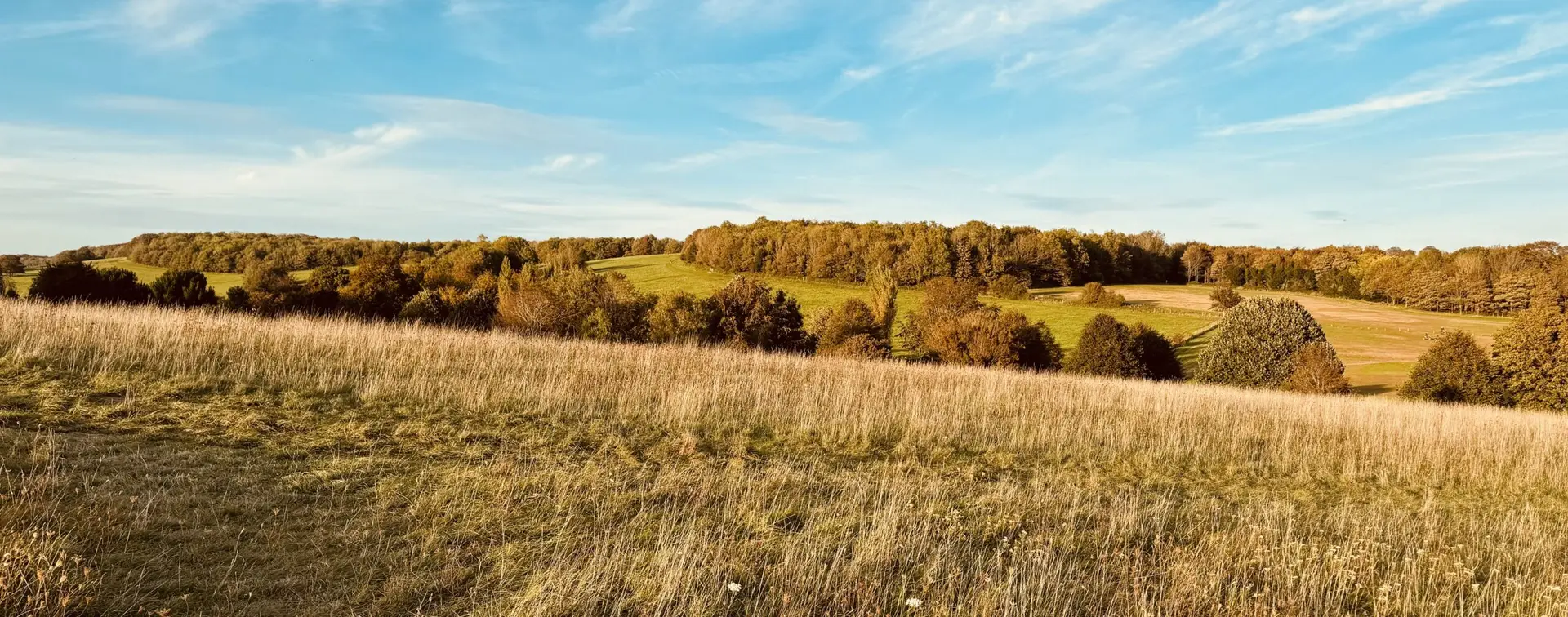
A development rarely presents just one environmental question. Ecology, land, air and neighbouring uses can all shape a proposal.
We look at your proposal as a whole, then focus on the detail that matters. Together, we clarify the requirements, agree a proportionate scope and explain the evidence your project needs. You stay informed as the work progresses.
Get to know ACPExplore four connected service groups, or go straight to the assessment you need.
Habitats, species, trees and biodiversity net gain.
02Air, noise, odour and contaminated land.
03Environmental and health impact assessment.
04Climate resilience, energy and sustainability.
Have a council request, an early layout or an unfamiliar assessment name? Choose the issue that matters to your project. We’ll point you towards an existing ACP service and useful information to share.
This guide helps you find relevant information. The scope of an assessment depends on your site and planning context.
Explore all servicesChoose a topic, then select Show guidance.
Understand habitats, protected species and trees before fixing the site layout.
Investigate pollution, amenity and ground conditions with evidence matched to your site.
Bring wider environmental and health considerations into development decisions.
Address climate effects, resilience, energy and sustainability within your proposal.
Start by understanding habitats, species and the likely effects of your proposal. Early appraisal can identify further survey requirements.
Compare breeding bird surveys, nesting checks and wintering surveys to understand the evidence your project may need.
Explore habitat assessment and biodiversity gain planning in England. BNG evidence has a different purpose from protected species surveys.
Building works, tree works and changes to lighting can raise bat-related questions. Survey requirements depend on the features affected.
Grassland, scrub and other suitable habitat may need closer investigation where works could affect reptiles.
Understand trees on and beside the site before fixing access, building positions and construction space.
Consider air quality affecting the site and emissions associated with the proposal.
Explore sound from neighbouring uses or the proposed activity, and evidence to inform design or planning conditions.
Consider potential odour sources and their relationship with nearby sensitive uses.
Historic land uses and the proposed development help determine the appropriate investigation sequence.
Explore the assessment of wider environmental effects where the development and applicable EIA requirements call for it.
Understand how a proposal may affect health and wellbeing, and the evidence requested by the planning authority.
Consider climate effects and resilience in the context of your proposed development.
Explore energy and sustainability evidence that can inform design and respond to planning policy.
Start with the exact wording. The required evidence depends on the proposal, location and planning stage.
A site can raise several environmental questions. Use the service directory to explore the disciplines, then discuss a proportionate scope.
Need help interpreting a request? Discuss your project with ACP.
Start with the question. Agree the scope. Build the evidence. Understand the next step.
Your site, proposal, planning stage and available information.
Agree the assessment scope, deliverables, fees and programme.
Undertake the agreed surveys, analysis and technical reporting.
Discuss findings and any agreed follow-up with your project team.

Early ecological advice can help you understand a site’s habitats and protected species considerations before design decisions become fixed.
Start with ecology survey advice
Explore ACP’s dedicated guidance and services for habitat surveys, biodiversity assessment and gain planning in England.
Explore Biodiversity Net GainFind a starting point for survey scoping, buildings and trees, and the information needed to plan the next stage.
Explore bat survey servicesYour priorities matter. So does the environment your project will shape.
Good advice makes the requirements understandable. We explain the scope, share the findings and help you consider the next step—so you can make decisions with a clear view of the evidence.
More about ACPClear about requirements.
Careful with the evidence.
Committed to responsible decisions.
We work closely with you and your project team, sharing information and agreeing the next steps together.
We listen to your priorities and consider the people, places and habitats affected by your proposal.
We bring our environmental disciplines together around a shared brief, so advice connects across your project.
We consider environmental effects and practical ways to reduce harm, with long-term outcomes in mind.
We explain requirements, scope and findings clearly, including uncertainties, limitations and any further work needed.
Ask questions at any stage. We will explain the agreed work and its implications in plain English, alongside the technical detail your project team needs.
Explore how site surveys inform biodiversity protection and development.
Read the guideA starting point for understanding air quality and environmental assessment.
Read the guideExplore the role of noise surveys in understanding a site’s surroundings.
Read the guideEarly ideas, a planning application or a council request—start with what you know. We’ll help clarify the environmental questions to discuss.
Talk through your projectYou do not need a complete brief before getting in touch.
The location and, if available, a boundary or site plan.
What you want to build, change or investigate.
Any council comments, planning conditions or existing reports.
The next decision or deadline you are working towards.