
Habitats, species or trees may be affected
Start with ecology surveys for habitat and species constraints. Discuss tree surveys where trees influence the layout. Biodiversity net gain is a related but distinct assessment.
ACP Consultants · All services
Environmental consultancy services for planning and development, from ecology and site assessments to climate and sustainability.
Explore the services below, or start with the issue you need to resolve. We can help clarify the scope before you commission an assessment.
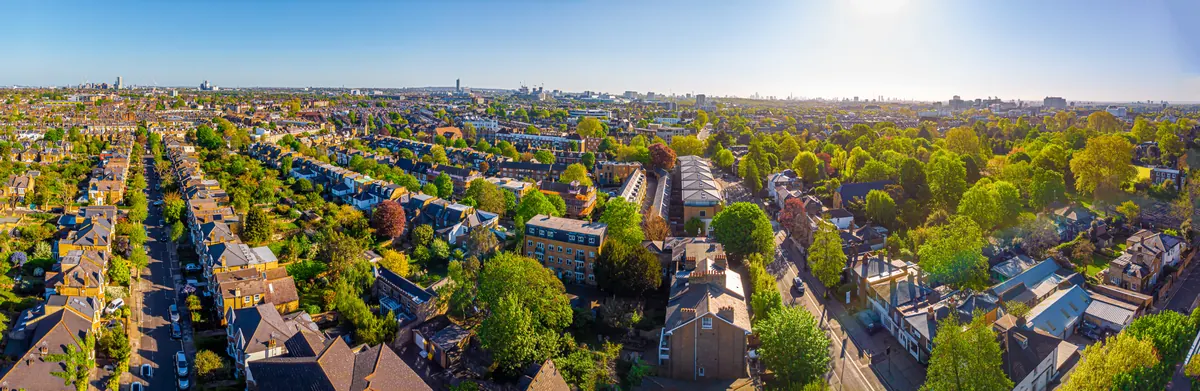
Understand the site. Shape the evidence. Move the design forward.
Choose with confidence
These starting points help you find the relevant service. The final scope depends on the site, proposal and planning requirements.
Start with ecology surveys for habitat and species constraints. Discuss tree surveys where trees influence the layout. Biodiversity net gain is a related but distinct assessment.
Explore air quality, noise and odour assessments. The source, proposed use and neighbouring receptors determine which discipline is relevant.
Begin with contaminated land assessment. Existing records help establish what evidence is needed before intrusive investigation is considered.
Review environmental and health impact assessment where the proposal or local requirements call for broader assessment. Not every project needs these studies.
Explore climate and sustainability services. A statement about a development’s energy approach addresses a different question from climate impact and resilience.
Share the exact wording through our project enquiry form. Include the planning reference and any existing reports so the requested scope can be reviewed.
Several issues can overlap. Ecology surveys do not automatically satisfy biodiversity net gain requirements. Likewise, one pollution assessment does not replace another. Agree the evidence needed for each issue while keeping the project programme coordinated.
Understand habitats, species and trees before fixing the site layout.
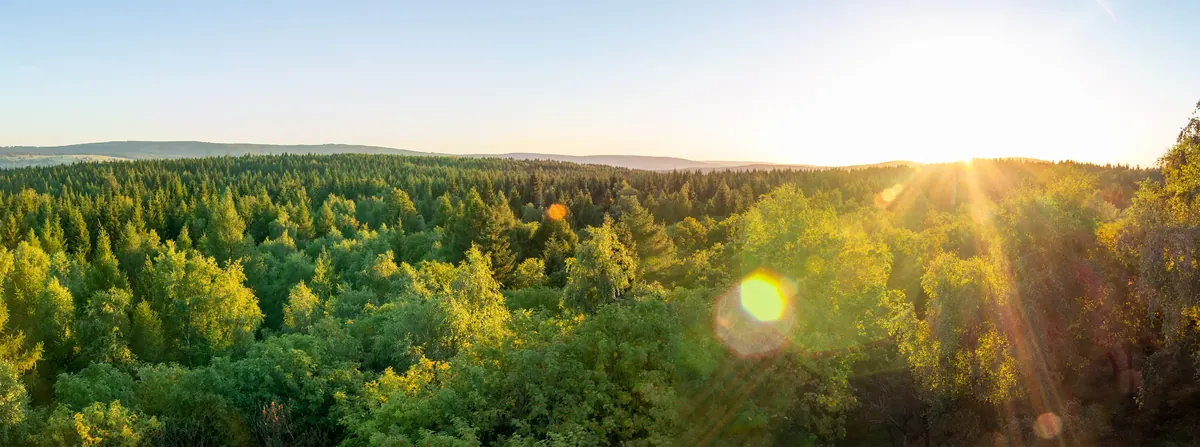
Start with the ecological context of your site. Identify habitats, potential constraints and any further surveys needed to inform your proposal.
Explore ecology surveysUnderstand the biodiversity position of your development and the assessment, design and delivery evidence relevant to your project.
Explore biodiversity net gainInvestigate potential effects on bats when buildings, trees or habitats may be affected. Discuss survey scope and seasonal timing early.
Explore bat surveysEstablish whether suitable habitat requires reptile surveys, then consider the implications for site design and mitigation.
Explore reptile surveysUnderstand trees within and around your site. Use arboricultural evidence to inform layout, retention and protection during development.
Explore tree surveysAssess pollution, amenity and land conditions with evidence matched to the site.
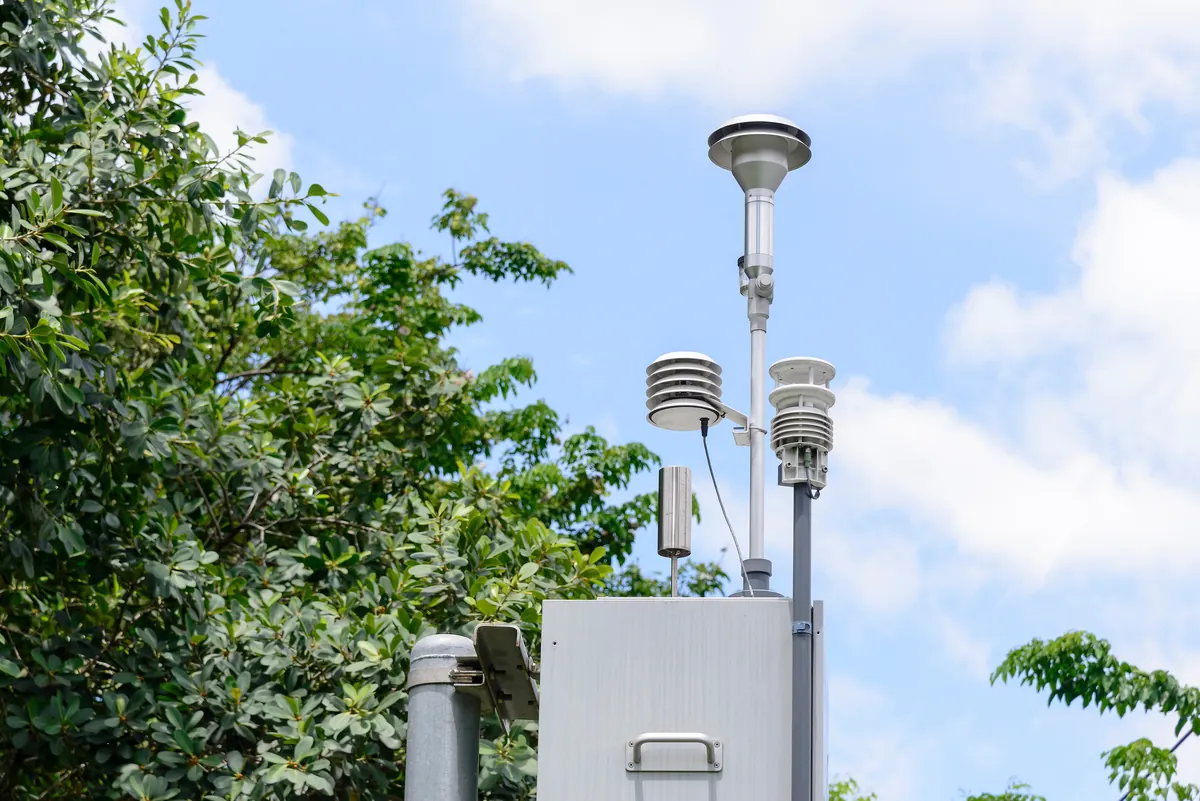
Assess how development may affect air quality and how existing pollution may affect future occupants. Scope assessment and mitigation around the proposal.
Explore air quality assessmentInvestigate sound affecting a site or arising from a proposal. Establish the evidence needed for planning, design or a noise condition.
Explore noise surveys & assessmentsConsider odour sources and sensitive neighbours. Assess potential effects and identify appropriate controls for the proposed use.
Explore odour assessmentUnderstand risks from past land uses and ground conditions. Establish whether further investigation or remediation evidence is needed.
Explore contaminated land assessmentBring wider environmental and health considerations into development decisions.

Explore environmental impact assessment for proposals that may have significant effects. Discuss screening, scoping and the technical evidence required.
Explore environmental impact assessmentConsider how a development may affect community health and wellbeing. Identify relevant impacts and opportunities within the planning context.
Explore health impact assessmentAddress climate resilience, energy and sustainability within your proposal.
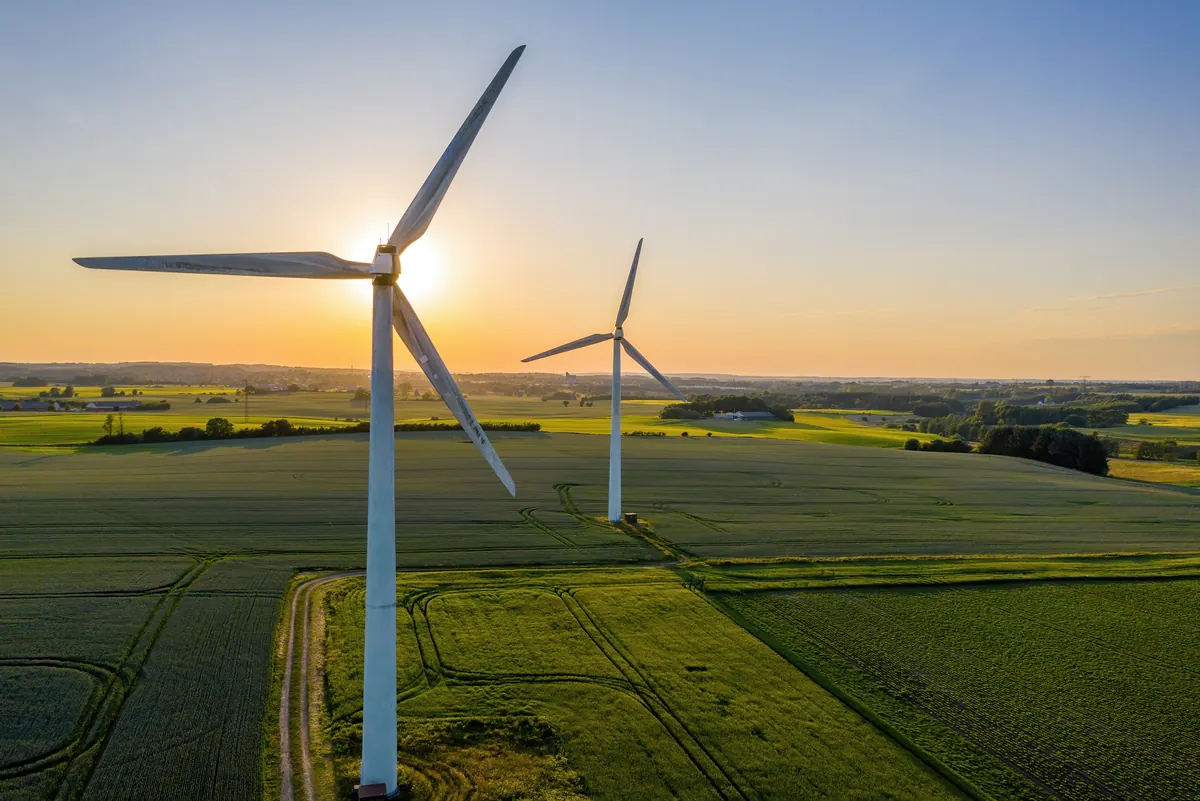
Understand how climate risks and a development’s climate effects relate to the proposal. Discuss suitable assessment scope and adaptation measures.
Explore climate change impact assessmentExplain the energy and sustainability approach for a planning application. Align the evidence with the development and relevant local requirements.
Explore energy & sustainability statementsFrom question to scope
Survey timing, site access and design changes can affect more than one assessment. An early discussion helps identify dependencies before the programme is fixed.
Tell us which specialists are already involved and share the reports you have. We can discuss the relevant ACP services and agree the next steps for your project.
Learn more about ACP ConsultantsNo. Requirements depend on the proposal, location, site conditions and planning context. Start with the relevant issue or share a planning authority’s request so the necessary scope can be discussed.
Yes. Share the site address, proposed development and any available drawings. Early advice can help you understand what surveys or assessment evidence to consider while the design develops.
Include the report and explain what has changed since it was prepared. Its age, scope, site conditions and the current proposal will help determine whether it remains suitable.
Tell us the full set of issues affecting your project. We can discuss the relevant services, confirm the proposed scope and identify how the assessment work should fit together.
Your next step
You do not need to know the name of every assessment. Describe the proposal and the question you need to resolve.
For a useful first discussion, include: