
Biodiversity Net Gain (BNG) Surveys & Consultants in East of England
Biodiversity Net Gain (BNG) in East of England is now a core requirement for most planning applications. Developers, architects, landowners and planning consultants increasingly require robust biodiversity strategies to secure planning approval, reduce delays and demonstrate long-term environmental compliance.
ACP Consultants Ltd provides Biodiversity Net Gain surveys, biodiversity metric calculations and habitat planning support across Essex, Suffolk, Norfolk, Cambridgeshire, Hertfordshire, Bedfordshire and Peterborough. Our consultants support residential, commercial, infrastructure, mixed-use and strategic land developments throughout the region.
Early ecological input helps identify constraints, improve layout flexibility and reduce planning risk. ACP Consultants provides practical, planning-focused BNG consultancy designed to support policy compliance and deliver measurable biodiversity enhancement across the East of England.
Our consultants regularly support projects within Essex County Council, Suffolk County Council, Norfolk County Council, Cambridgeshire County Council, Hertfordshire County Council and unitary authority areas including Bedford, Central Bedfordshire and Peterborough. We also advise on projects within Cambridge, Norwich, Chelmsford, Colchester, Ipswich, Stevenage, Bedford and surrounding growth areas.
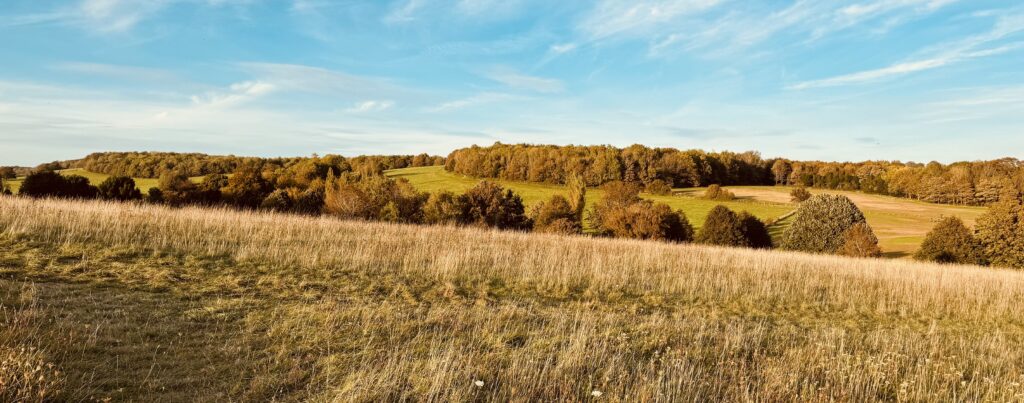
The East of England contains extensive ecological diversity and development pressure. Many schemes interact with fenland habitat, coastal marsh, chalk grassland, woodland corridors, lowland meadow, wetland habitat and important river systems. Local planning authorities increasingly expect development proposals to align with Local Nature Recovery Strategies, green infrastructure priorities and long-term habitat enhancement objectives.
From Start to Finish, Your Project’s in Good Hands
We follow a simple, transparent process to ensure your project runs smoothly from the very first contact to the final report. Our approach is designed to provide you with clarity at every step, so you’re fully informed and confident in moving forward.
01
Step 1: Request a Quote
Fill out our quick quote form or call us, and our team will provide a free, no-obligation quote, outlining the services tailored to your needs.
02
Step 2: Confirm Your Booking
Once you approve the quote, simply return the booking form. We’ll schedule your survey and ensure all the details are taken care of.
03
Step 3: Receive Your Report
After your survey is completed and payment is received, we’ll promptly issue your survey report, ensuring you get the results as quickly as possible.
In the past year, we’ve delivered over 750+ audit-ready reports supporting 400+ projects for developers, planners, and architects nationwide. We put quality over quantity and build lasting relationships based on trust, ensuring your planning applications are backed by robust evidence and delivered on time.
What is Biodiversity Net Gain (BNG) in East of England?
Biodiversity Net Gain (BNG) is a mandatory planning requirement designed to ensure development leaves biodiversity in a measurably better state than before. Most qualifying developments in England must now demonstrate at least a 10% biodiversity uplift using DEFRA’s statutory biodiversity metric. Across the East of England, BNG increasingly forms a central part of planning policy, ecological assessment and sustainable development strategy.
The East of England contains extensive ecological diversity and environmental sensitivity. Development proposals frequently interact with fenland habitat, coastal marsh, grazing marsh, chalk grassland, woodland corridors, lowland meadow, wetland systems and important river catchments. Habitats associated with the Norfolk Broads, Suffolk coast, Cambridgeshire fens and Hertfordshire woodland landscapes often require careful ecological assessment and long-term habitat planning.
The biodiversity metric converts habitats into measurable biodiversity units based on habitat size, condition, distinctiveness and strategic significance. Habitats with greater ecological value, stronger connectivity or higher conservation importance generate more biodiversity units within the metric calculation. The process therefore allows planning authorities to assess biodiversity losses and gains using a consistent technical framework.
Across the East of England, local planning authorities increasingly expect biodiversity enhancement to form part of site design from the earliest planning stages. Developers must therefore consider habitat retention, ecological connectivity, green infrastructure and long-term habitat management before submitting planning applications.
A robust BNG strategy typically includes baseline habitat surveys, biodiversity metric calculations, habitat enhancement proposals and a Habitat Management and Monitoring Plan (HMMP). Early ecological input usually improves planning outcomes, reduces redesign costs and helps schemes align with Local Nature Recovery Strategies and regional biodiversity priorities.
Local Planning Authorities, Towns and Biodiversity Net Gain Across East of England
Local planning authorities across the East of England continue to strengthen Biodiversity Net Gain requirements within planning policy, validation guidance and green infrastructure strategies. Developers increasingly need robust biodiversity evidence, biodiversity metric calculations and long-term habitat enhancement proposals to support planning approval throughout the region.
ACP Consultants supports projects across Essex, Suffolk, Norfolk, Cambridgeshire, Hertfordshire, Bedfordshire and Peterborough. Our consultants regularly advise within Essex County Council, Suffolk County Council, Norfolk County Council, and Hertfordshire County Council authority areas, alongside unitary authorities including Bedford Borough Council, Central Bedfordshire Council and Peterborough City Council.
We also support planning applications within Chelmsford, Colchester, Southend-on-Sea, Ipswich, Bury St Edmunds, Norwich, Great Yarmouth, King’s Lynn, Cambridge, Ely, Peterborough, Stevenage, St Albans, Watford, Bedford, Luton and surrounding growth areas throughout the region.
Many East of England authorities increasingly align biodiversity policy with Local Nature Recovery Strategies, ecological network mapping and green infrastructure planning. Coastal authorities across Norfolk and Suffolk often prioritise habitat resilience, wetland restoration and ecological connectivity linked to estuarine and coastal systems. Authorities across Cambridgeshire and Bedfordshire increasingly focus on strategic growth pressures, sustainable drainage, green corridors and long-term habitat creation associated with expanding urban areas and infrastructure projects.
The region also contains extensive agricultural landscapes, woodland corridors, chalk rivers and internationally important wetland systems. Planning authorities, therefore, frequently assess how development proposals interact with wider habitat networks, floodplain systems and biodiversity enhancement priorities. Early ecological assessment and locally informed BNG strategies remain increasingly important for achieving policy-compliant and planning-ready development proposals across the East of England.
Environment Act 2021 and Local BNG Policy in East of England
The Environment Act 2021 introduced mandatory Biodiversity Net Gain requirements across England. Consequently, most qualifying developments must now deliver measurable biodiversity enhancement through the planning process. Major developments became subject to mandatory BNG requirements from February 2024. Smaller developments followed from April 2024.
Across the East of England, local planning authorities increasingly strengthen biodiversity validation requirements, green infrastructure policy and ecological monitoring expectations. Councils throughout Essex, Suffolk, Norfolk, Cambridgeshire, Hertfordshire, Bedfordshire and Peterborough now regularly require biodiversity metric calculations, habitat plans and long-term management commitments alongside planning submissions.
Many authorities also align biodiversity policy with Local Nature Recovery Strategies, flood resilience planning and landscape-scale habitat restoration objectives. As a result, biodiversity enhancement increasingly forms part of wider sustainable development and environmental planning policy throughout the region.
East of England authorities commonly expect:
- DEFRA statutory biodiversity metric calculations
- Baseline habitat surveys and habitat condition assessments
- Biodiversity Gain Plans (BGPs)
- Habitat Management and Monitoring Plans (HMMPs)
- Long-term habitat management for at least 30 years
- Green infrastructure and ecological connectivity integration
- Early ecological engagement before layout finalisation
Coastal authorities across Norfolk and Suffolk often prioritise wetland resilience, estuarine habitat protection and ecological corridor enhancement. Meanwhile, authorities across Cambridgeshire, Bedfordshire and Hertfordshire increasingly focus on strategic growth, green infrastructure delivery and sustainable urban expansion.
Early ecological assessment therefore helps identify planning constraints, improve design flexibility and reduce delays during validation and determination stages.
Using DEFRA’s Statutory Biodiversity Metric
DEFRA’s statutory biodiversity metric forms the technical foundation of Biodiversity Net Gain assessments across the East of England. The metric converts habitats into measurable biodiversity units using habitat size, condition, distinctiveness and strategic significance. Consequently, planning authorities can assess biodiversity losses and habitat enhancement using a consistent national framework.
The process normally begins with a baseline habitat survey. Ecologists classify habitats using the UK Habitat Classification system and assess habitat condition across the site. These findings are then entered into the biodiversity metric workbook to calculate baseline biodiversity units.
The proposed development layout is then assessed against predicted post-development habitat conditions. Habitat retention, enhancement and creation proposals generate projected biodiversity units following development completion. The final calculation must demonstrate at least a 10% biodiversity uplift.
Across the East of England, habitat context significantly influences biodiversity metric outcomes. Many sites contain fenland habitat, grazing marsh, lowland meadow, woodland corridors, hedgerow networks and important river systems. Coastal authorities may also assess estuarine habitat connectivity, wetland resilience and ecological buffer zones.
The biodiversity metric process commonly includes:
- Baseline habitat surveys and mapping
- Habitat condition assessments
- Biodiversity unit calculations
- Habitat enhancement modelling
- Off-site biodiversity unit assessment
- Habitat Management and Monitoring Plans
- Long-term ecological monitoring strategies
Many East of England authorities increasingly scrutinise metric assumptions, habitat distinctiveness scores and strategic significance calculations. Therefore, early engagement with an experienced ecological consultant remains essential for achieving robust and planning-ready biodiversity submissions.
ACP’s Role and BNG Services in East of England
ACP Consultants provides Biodiversity Net Gain consultancy throughout the East of England for developers, architects, planners, infrastructure providers and landowners. Our consultants support projects across Essex, Suffolk, Norfolk, Cambridgeshire, Hertfordshire, Bedfordshire and Peterborough, alongside surrounding growth areas and strategic development locations.
We regularly advise on residential developments, commercial schemes, mixed-use sites, renewable energy projects, infrastructure upgrades and strategic land promotion opportunities. Furthermore, our consultants tailor each assessment to local habitat conditions, planning policy and biodiversity priorities.
Our East of England BNG services include:
- Baseline habitat surveys using UK Habitat Classification methodology
- DEFRA biodiversity metric calculations and unit modelling
- Biodiversity Gain Plans and planning support
- Habitat Management and Monitoring Plans
- Habitat enhancement and ecological mitigation strategies
- Off-site biodiversity unit advice and habitat bank assessments
- Pre-application biodiversity feasibility reviews
- Long-term ecological monitoring and reporting
The East of England contains extensive environmental sensitivity and development pressure. Consequently, many projects interact with floodplain habitat, fenland systems, woodland corridors, wetland habitat and strategic ecological networks. Authorities across Cambridge, Norwich, Chelmsford, Colchester, Ipswich and Peterborough increasingly prioritise green infrastructure, biodiversity enhancement and ecological connectivity within planning decisions.
Our consultants therefore focus on practical, policy-compliant biodiversity strategies designed to support planning approval and long-term habitat resilience. Early engagement also helps reduce redesign costs, improve layout flexibility and minimise planning delays throughout the development process.
Book a Biodiversity Net Gain Survey in the East of England
Our ecologists deliver Defra Metric 4.0-compliant BNG surveys across the East of England, providing robust baseline habitat data, condition assessments and early planning advice to support successful applications.
Regional Expertise Across East of England
ACP Consultants provides Biodiversity Net Gain support throughout Essex, Suffolk, Norfolk, Cambridgeshire, Hertfordshire, Bedfordshire and Peterborough. Our consultants regularly support projects within Essex County Council, Suffolk County Council, Norfolk County Council, Cambridgeshire County Council, Hertfordshire County Council and Bedfordshire authority areas.
We also advise on planning applications throughout Cambridge, Norwich, Chelmsford, Colchester, Ipswich, Great Yarmouth, King’s Lynn, Bedford, Stevenage, St Albans, Peterborough and surrounding growth locations across the region.
The East of England contains extensive ecological diversity and significant development pressure. Coastal habitats throughout Norfolk and Suffolk often require careful ecological assessment linked to wetland resilience, estuarine habitat and habitat connectivity. Meanwhile, Cambridgeshire and Bedfordshire increasingly experience strategic growth pressures linked to housing delivery, infrastructure expansion and green infrastructure planning.
The region also contains chalk rivers, lowland meadow, ancient woodland, agricultural landscapes and important hedgerow networks. Therefore, biodiversity enhancement strategies must carefully consider ecological connectivity, habitat resilience and long-term management practicality.
Local planning authorities increasingly align biodiversity policy with Local Nature Recovery Strategies, ecological network mapping and sustainable development objectives. Consequently, robust biodiversity evidence and locally informed habitat strategies continue to become more important during planning determination.
Whether your scheme involves strategic land, urban redevelopment, rural development or infrastructure delivery, ACP Consultants provides planning-focused BNG consultancy tailored to the East of England’s evolving ecological and planning context.
Explore Our Biodiversity Net Gain Services Across East of England
Essex
We provide Biodiversity Net Gain surveys, biodiversity metric calculations and habitat management plans throughout Essex. Our consultants regularly support projects within Chelmsford, Colchester, Basildon, Brentwood, Harlow and surrounding authority areas. Essex planning authorities increasingly prioritise ecological connectivity, green infrastructure and long-term habitat enhancement.
Suffolk
Our Suffolk BNG consultancy supports projects across Ipswich, Bury St Edmunds, Lowestoft and surrounding coastal and rural areas. Suffolk authorities increasingly focus on wetland resilience, coastal habitat enhancement and ecological corridor protection linked to estuarine and floodplain systems.
Norfolk
We support Biodiversity Net Gain projects throughout Norwich, Great Yarmouth, King’s Lynn and wider Norfolk authority areas. Norfolk’s planning context often includes fenland habitat, grazing marsh, wetland restoration and protected coastal landscapes requiring detailed ecological assessment.
Cambridgeshire
Our Cambridgeshire consultancy supports developments across Cambridge, Ely, Huntingdon and Peterborough. Local authorities increasingly integrate biodiversity enhancement with strategic growth, sustainable drainage and green infrastructure planning.
Hertfordshire
We provide BNG surveys and habitat management support throughout Hertfordshire, including Stevenage, Watford, St Albans and surrounding areas. Woodland corridors, chalk streams and urban growth pressures frequently influence biodiversity planning requirements.
Bedfordshire and Peterborough
Our consultants support urban, peri-urban and infrastructure-focused developments across Bedfordshire and Peterborough. Local planning authorities increasingly prioritise habitat connectivity, ecological resilience and long-term biodiversity enhancement linked to expanding development areas.
References and Useful Resources
- Defra & Natural England – Biodiversity Metric: Calculate the biodiversity net gain of a project or development
- Lichfield District Council – Biodiversity Net Gain (BNG) Guidance for Planning Applications
- East Devon District Council – How is Biodiversity Net Gain Measured?
- Defra (July 2025) – The Statutory Biodiversity Metric: User Guide
- North Hertfordshire District Council – How to Measure Biodiversity Net Gain
- Chartered Institute of Ecology and Environmental Management (CIEEM) – Biodiversity Net Gain Case Studies & Good Practice
- CIEEM – Biodiversity Net Gain Report and Audit Templates
- UK Statutory Instruments – The Biodiversity Gain Requirements (Exemptions) Regulations 2024
- Natural England – Habitat Management and Monitoring Plan (HMMP) Template (JP058)
- Defra – Biodiversity Gain Plan: Template and Guidance
- Defra – Guidance: Understanding Biodiversity Net Gain
- Natural England – Biodiversity Net Gain: Where to Start
- Cambridge City Council Biodiversity Strategy 2022 – 2030
- Biodiversity Net Gain Planning Guidance Note 2024
- Biodiversity Net Gain: Peterborough City Council
- Biodiversity Net Gain: St Albans City and District Council
- Biodiversity Net Gain (BNG): Chelmsford City Council
- Biodiversity Net Gain: Southend-on-Sea City Council
- Biodiversity Net Gain (BNG): Colchester City Council
- Biodiversity Net Gain offsite providers
Our Core Values – Built on TRUST
Frequently Asked Questions
Biodiversity Net Gain requirements continue to evolve across the East of England. Consequently, developers, architects, planners and landowners increasingly require clear guidance on biodiversity metric calculations, habitat enhancement and planning compliance.
Local planning authorities throughout Essex, Suffolk, Norfolk, Cambridgeshire, Hertfordshire, Bedfordshire and Peterborough increasingly expect robust biodiversity evidence during the planning process. Many authorities now require biodiversity metric calculations, habitat plans and long-term ecological management proposals before development can proceed.
The East of England also contains extensive ecological sensitivity and development pressure. Many schemes interact with fenland habitat, coastal marsh, woodland corridors, chalk rivers, lowland meadow and strategic green infrastructure networks. Therefore, locally informed biodiversity strategies remain increasingly important for achieving planning approval and reducing delays.
The FAQs below answer common questions relating to Biodiversity Net Gain surveys, DEFRA biodiversity metric calculations, Habitat Management and Monitoring Plans, off-site biodiversity units and regional planning expectations across the East of England.
What is the mandatory Biodiversity Net Gain (BNG) requirement in East of England?
Most qualifying developments across the East of England must now deliver at least a 10% Biodiversity Net Gain under the Environment Act 2021. This requirement applies to many residential, commercial, infrastructure and mixed-use developments throughout Essex, Suffolk, Norfolk, Cambridgeshire, Hertfordshire, Bedfordshire and Peterborough. Local planning authorities increasingly require biodiversity metric calculations, habitat plans and long-term ecological management proposals during the planning process.
Many East of England authorities now expect biodiversity enhancement to form part of site design from the earliest stages. Consequently, developers increasingly need robust habitat surveys, biodiversity metric calculations and Habitat Management and Monitoring Plans before planning approval can proceed.
Do small developments in East of England require Biodiversity Net Gain?
Yes. Smaller developments across the East of England increasingly fall within mandatory Biodiversity Net Gain requirements. Although some exemptions apply to very minor habitat impacts, many smaller residential and commercial developments still require biodiversity metric calculations and habitat enhancement proposals.
Local planning authorities throughout Essex, Suffolk, Norfolk, Cambridgeshire and Hertfordshire increasingly publish biodiversity validation guidance explaining local requirements for smaller sites. Some councils also request ecological information at validation stage where development may affect hedgerows, woodland edges, wetland habitat or ecological corridors.
Early ecological assessment therefore helps determine whether exemptions apply and whether biodiversity enhancement measures will be required during planning submission.
How do you calculate biodiversity units for a BNG assessment?
Biodiversity units are calculated using DEFRA’s statutory biodiversity metric. The metric converts habitats into measurable biodiversity units using habitat size, condition, distinctiveness and strategic significance. Ecologists first complete a baseline habitat survey using the UK Habitat Classification system before entering habitat data into the biodiversity metric workbook.
Across the East of England, biodiversity metric calculations often involve fenland habitat, grazing marsh, chalk rivers, lowland meadow, hedgerow networks and woodland corridors. Coastal authorities may also assess estuarine habitat connectivity and wetland resilience within biodiversity calculations.
The completed metric compares baseline biodiversity units against predicted post-development habitat units. Planning authorities then assess whether the proposed development achieves the required biodiversity uplift and long-term ecological enhancement.
Do East of England councils require biodiversity metric calculations at validation stage?
Many East of England planning authorities increasingly expect biodiversity metric calculations and habitat plans during validation or early determination stages. Councils throughout Essex, Suffolk, Norfolk, Cambridgeshire, Bedfordshire and Peterborough continue strengthening biodiversity validation requirements alongside green infrastructure policy and ecological network planning.
Authorities within Cambridge, Norwich, Chelmsford, Colchester and Ipswich growth areas increasingly scrutinise habitat enhancement proposals, ecological connectivity and long-term habitat management commitments. Some authorities also publish biodiversity guidance notes, validation checklists and Local Nature Recovery Strategy priorities that influence planning expectations.
Submitting robust ecological information early therefore helps reduce planning delays and requests for further information.
What happens if on-site Biodiversity Net Gain delivery is not feasible?
Some developments cannot fully achieve biodiversity enhancement within the application boundary. This commonly occurs where developments face land constraints, strategic growth pressures, flood risk limitations or ecological sensitivity. In these situations, off-site biodiversity unit delivery may become necessary.
Planning authorities across the East of England generally expect developers to demonstrate that on-site enhancement opportunities have been fully explored before relying on off-site solutions. Off-site habitat delivery may involve habitat banks, registered biodiversity units or strategic habitat enhancement elsewhere within the region.
Many authorities increasingly prioritise habitat connectivity, ecological resilience and Local Nature Recovery Strategy alignment when assessing off-site biodiversity proposals.
How long must BNG habitats be managed and monitored?
Most Biodiversity Net Gain habitats require management and monitoring for at least 30 years. Long-term habitat delivery is normally secured through planning conditions, Section 106 agreements or conservation covenants. Habitat Management and Monitoring Plans usually set out management prescriptions, monitoring schedules, remedial measures and reporting requirements.
Across the East of England, management plans commonly include lowland meadow restoration, woodland planting, wetland enhancement, grazing marsh management and hedgerow establishment. Authorities increasingly expect ecological monitoring to demonstrate habitat establishment, biodiversity performance and long-term resilience.
Long-term habitat management therefore forms a key part of the overall planning and development process.
Which habitats commonly influence BNG assessments in East of England?
The East of England contains extensive ecological diversity and habitat sensitivity. Biodiversity Net Gain assessments commonly involve fenland habitat, grazing marsh, lowland meadow, wet woodland, hedgerow corridors, floodplain habitat and chalk rivers. Coastal authorities may also assess estuarine habitat, wetland systems and saltmarsh connectivity.
Many development sites across Norfolk, Suffolk and Cambridgeshire also sit near strategic ecological networks or protected landscapes. Consequently, planning authorities increasingly expect habitat enhancement proposals to support ecological connectivity, green infrastructure and long-term biodiversity resilience.
Habitat condition and distinctiveness significantly influence biodiversity metric outcomes. Therefore, early habitat assessment remains important for understanding ecological constraints and enhancement opportunities.
How do Local Nature Recovery Strategies affect BNG in East of England?
Local Nature Recovery Strategies increasingly influence biodiversity planning decisions throughout the East of England. These strategies identify habitat opportunity areas, ecological corridors and long-term nature recovery priorities across the region.
Planning authorities throughout Essex, Suffolk, Norfolk, Cambridgeshire and Hertfordshire increasingly expect biodiversity enhancement proposals to align with wider ecological network and green infrastructure objectives. Habitat creation proposals supporting strategic habitat connectivity may therefore achieve stronger planning support.
Local Nature Recovery Strategies also influence biodiversity metric strategic significance calculations and off-site habitat suitability assessments. Consequently, locally informed biodiversity strategies continue becoming more important for planning compliance and ecological resilience.
Can off-site biodiversity units be delivered within East of England?
Yes. Off-site biodiversity units can be delivered throughout the East of England where on-site enhancement cannot achieve required biodiversity targets. Many developments use habitat banks or registered off-site habitat schemes to secure additional biodiversity units within the region.
Planning authorities generally prefer off-site biodiversity delivery to remain geographically connected to the development location where possible. Authorities increasingly assess ecological connectivity, habitat resilience and Local Nature Recovery Strategy alignment when reviewing off-site habitat proposals.
Off-site biodiversity delivery may involve grassland restoration, woodland creation, wetland enhancement, floodplain habitat restoration or hedgerow network expansion depending on local ecological priorities.
How do green infrastructure policies affect Biodiversity Net Gain planning decisions?
Green infrastructure policies increasingly influence planning decisions across the East of England. Local planning authorities now regularly integrate biodiversity enhancement with wider sustainable drainage, flood resilience, ecological connectivity and public open space strategies.
Authorities throughout Cambridge, Peterborough, Chelmsford, Norwich and Bedford increasingly prioritise multifunctional green infrastructure that supports biodiversity alongside recreation, climate resilience and sustainable urban growth. Habitat enhancement proposals therefore often need to demonstrate connectivity with wider ecological and landscape networks.
Integrating Biodiversity Net Gain with green infrastructure planning usually improves habitat resilience, strengthens planning submissions and supports long-term environmental sustainability across the region.
Testimonials
Trusted by Clients Across the UK – Consistently Rated 5-Stars for Professionalism and Expertise

 Denise Skinner
Trustindex verifies that the original source of the review is Google.
Excellent Pump House Designs Battle OfficeVery efficient and professional service provided on one of our local projects
 James LukerI found ACP to be both cost effective and and very professional in the emergence survey that they recently undertook for me. I would highly recommend their services
 Danai TsiouriI recently worked with ACP Consultants for a bat emergence survey and was thoroughly impressed with their service. They were highly responsive, efficient, and delivered the work quickly without compromising on quality. The team was professional throughout and clearly knowledgeable in their field. Beyond bat surveys, they offer a wide range of ecological and other consultancy services, and I’m looking forward to working with them again in the future. Highly recommended!
 Manahil KhanACP has been great to work with—efficient, friendly, and professional. Megan was especially helpful and made sure we met all our requirements smoothly. Really appreciated the support!
 Zayn SaleemiWe recently used ACP for an air quality assessment and were extremely impressed with the service. Megan was professional, knowledgeable, and incredibly helpful throughout the entire process. She made everything straightforward and was always on hand to answer any questions we had. The report was thorough and delivered promptly. Highly recommended – would definitely work with them again.
 Katie CDavid and Megan from ACP were so helpful in assisting us with a PEA. We needed an ecological report to submit to the council and they are also helping us with a PRA. They have been so quick with everything and helped us understand it all.
 Paul HuntI was asked by the council to provide a biodiversity net gain assessment to support my planning application for a small extension to my house. ACP helped provide a statement to explain that the development was below the threshold and therefore exempt, saving me time and money! Highly recommend.
 Kayleigh DixonACP provided an air quality assessment to support my planning application. They were extremely helpful and managed to undertake it with a short turn around in order to meet a tight deadline with the council!
 Keith SpouncerI had a PEA done earlier this year. Fast delivery and easy to work with. I would definitely recommend!
Need Experienced BNG Consultants Across the East of England?
From biodiversity unit calculations and Biodiversity Gain Plans to off-site options and long-term monitoring, our BNG consultants support compliant development across the East of England from pre-application through post-consent delivery.
- Last Updated:
- September 2026
Disclaimer: Our content is prepared by ACP Consultants’ in-house specialists and is based on current guidance, standards, and best practice in environmental consultancy. While we make every effort to keep information accurate and up to date, it is provided for general guidance only and should not be relied upon as a substitute for professional advice on specific projects. Planning authorities retain final decision-making powers, and requirements may vary between local authorities and over time. ACP Consultants accepts no liability for any loss arising from reliance on this content without obtaining tailored advice for your project.