
How to Register a Biodiversity Gain Site | Step-by-Step Guide
Biodiversity Net Gain (BNG) is transforming the UK planning landscape by requiring developers to leave nature in a better state than before. As part of this initiative, landowners and conservationists can register a biodiversity gain site to supply off-site BNG units (often called biodiversity credits) to development projects. In simple terms, a biodiversity gain site is an area of land managed for habitat preservation and ecological restoration to compensate for habitat loss elsewhere. This step-by-step guide explains how to register a biodiversity gain site in England, outlining the process, requirements, and benefits. By following these steps, you’ll contribute to wildlife conservation and sustainable development while potentially unlocking new funding through conservation schemes.
You can also drop us an email at hello@acp-consultants.com and we’ll get back to you within 24 hours to help with your inquiry!
We follow a simple, transparent process to ensure your project runs smoothly from the very first contact to the final report. Our approach is designed to provide you with clarity at every step, so you’re fully informed and confident in moving forward.
01
Step 1: Request a Quote
Fill out our quick quote form or call us, and our team will provide a free, no-obligation quote, outlining the services tailored to your needs.
02
Step 2: Confirm Your Booking
Once you approve the quote, simply return the booking form. We’ll schedule your survey and ensure all the details are taken care of.
03
Step 3: Receive Your Report
After your survey is completed and payment is received, we’ll promptly issue your survey report, ensuring you get the results as quickly as possible.
Importance of Biodiversity Gain Sites
Biodiversity gain sites sometimes referred to as “habitat banks”, play a crucial role in balancing development with nature. They enable developers to achieve mandatory biodiversity net gain requirements (at least a 10% net improvement in biodiversity for most projects) by investing in off-site habitat improvements when on-site gains are insufficient. For local ecosystems, this means previously degraded or unused land can be transformed into thriving habitats, forming part of our green infrastructure network. These sites often become conservation projects in their own right, supporting rare species, creating wildlife corridors between fragmented habitats, and enhancing ecosystem services like flood control and carbon sequestration. In short, registering your land as a biodiversity gain site contributes to regional environmental stewardship and helps meet wider nature recovery goals.
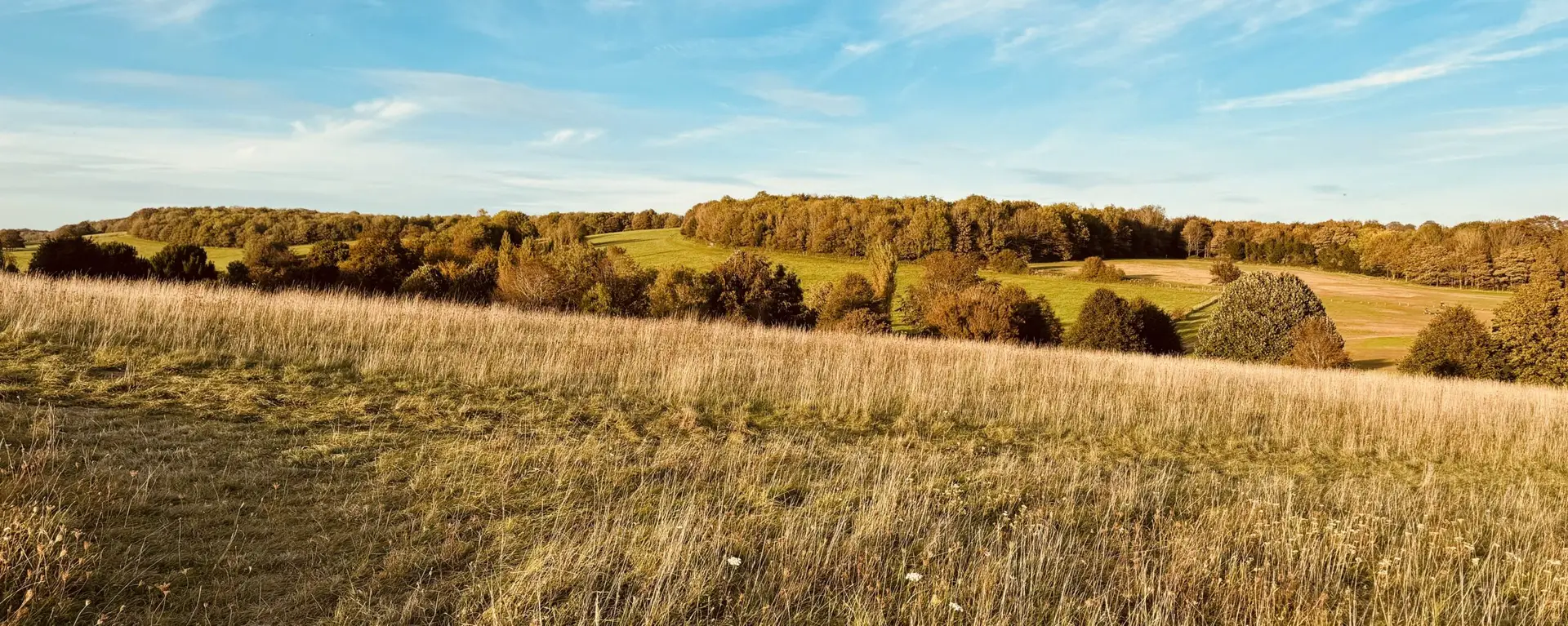
Overview of Biodiversity Credits
When you register a biodiversity gain site, you generate biodiversity credits (also known as biodiversity units) that can be sold to developers needing biodiversity offset solutions. Each credit represents a quantified improvement in habitat value, calculated using an official metric. These off-site credits provide a nature-based solution for developers to offset their environmental impact in line with planning policy. Importantly, credits from registered sites are recognised under the Biodiversity Gain Site Register Regulations 2024, ensuring they count toward a developer’s BNG obligations. This creates a regulated marketplace for funding habitat enhancement on your land. In essence, biodiversity credits turn your conservation efforts into a viable conservation financing mechanism developers fund your habitat work, and in return they meet legal requirements for planning permission.
Understanding Biodiversity Gain
In the context of UK planning, “biodiversity gain” means an increase in natural habitat value compared to the baseline condition, typically expressed as a percentage improvement. Under current regulations, most developments in England must achieve at least a 10% biodiversity net gain. This gain can come from on-site improvements or off-site BNG contributions via registered sites. The calculation of gain uses a statutory biodiversity metric an ecological assessment tool that assigns biodiversity units based on habitat type, size, condition, and location. A biodiversity gain plan is produced as part of a planning application to demonstrate how this uplift will be delivered and maintained.
Role in Environmental Stewardship
Biodiversity gain is more than a checkbox for planning it’s a cornerstone of modern environmental stewardship. By delivering net gains, developers and landowners actively contribute to wildlife conservation and habitat connectivity rather than just mitigating damage. Registered gain sites ensure long-term habitat preservation and restoration ecology efforts are secured for a minimum of 30 years, aligning with principles of sustainable land use. This commitment helps protect ecosystem services (such as pollination, water purification, and carbon storage) for future generations. In effect, every biodiversity gain site becomes a long-term guardian of local nature, demonstrating how development and conservation can work hand-in-hand.
Steps to Register a Biodiversity Gain Site
Registering a biodiversity gain site involves careful planning, documentation, and coordination with authorities. Below is a step-by-step breakdown of the process to help you navigate the requirements.
Conduct an Environmental Impact Assessment
First, evaluate your land’s current ecological value and any potential constraints. While a formal Environmental Impact Assessment (EIA) may not be legally required for all biodiversity gain sites, you should perform a thorough ecological assessment of the site. This includes surveying existing habitats, species present, and ecological features. Understanding the baseline condition is critical it will feed into the biodiversity metric calculation and inform what habitat enhancements are feasible. Check if any local designations or planning permissions affect your site. If you plan significant works (like creating wetlands or woodlands), consult your local planning authority to see if any consents or EIA screening are needed. Early assessment ensures your plans for habitat enhancement align with environmental regulations and local conservation priorities.
Develop a Biodiversity Management Plan
Next, create a clear plan for how you will enhance and manage the land for net gain. This is often called a Habitat Management and Monitoring Plan (HMMP) or simply a biodiversity management plan. It should detail the restoration ecology approaches and habitat enhancement actions you will take for example, sowing native wildflower meadows, planting hedgerows to serve as wildlife corridors, creating ponds, or reforesting areas with native trees. The plan must also set out ongoing land management practices to maintain these habitats (such as grazing regimes, invasive species control, or rotational mowing). Additionally, include a monitoring schedule for biodiversity monitoring over the 30-year period, specifying how you will assess habitat condition and report on progress. This plan is crucial evidence to demonstrate that your site can deliver the promised biodiversity uplift and keep those gains in place long-term.
Habitat Preservation Techniques
As part of your planning, consider how to preserve any existing valuable habitats on your land. Habitat preservation techniques might involve protecting mature trees, safeguarding a remnant patch of woodland, or buffering a wetland from disturbance. Preservation is often the first step in the “avoid, mitigate, compensate” hierarchy of biodiversity net gain, meaning you should aim to avoid harming what biodiversity is already there before you focus on enhancements.
Identify any high-value features (e.g., ancient hedgerows or ponds) and ensure your management plan maintains or improves their condition. By conserving what you have, you provide a strong foundation on which to build further enhancements. Preservation also increases your baseline biodiversity units, which can improve the overall net gain calculation once new habitat is created.
Restoration Ecology Approaches
For degraded or low-value areas of the site, outline how you will restore them to richer habitats. Embrace proven nature-based solutions and restoration ecology techniques. This could include rewilding intensively farmed fields into species-rich grassland, restoring an abandoned quarry into heathland, or planting native woodland on former pasture. Use the best available science and, if needed, consult ecologists to design interventions that will yield measurable biodiversity gains.
Consider wildlife conservation principles; for instance, choose plant species that provide food or shelter for target wildlife, or create variations in habitat structure (like scrub patches, log piles, ponds) to support diverse species. The goal is to significantly increase the biodiversity unit score of the site. Every restoration action should be tied back to the metric: how will it increase habitat distinctiveness or condition? By planning with metric outcomes in mind, you ensure your actions translate into the credits (biodiversity units) that developers will be looking to purchase.
Submit the Registration Application
With your preparation done, you are ready to apply to the official Biodiversity Gain Sites Register. In England, this is managed via a government online service on GOV.UK (operated by Defra and Natural England). The application will require details about you (or your organisation), the site location, and all the evidence documents prepared. Before you apply, make sure you have compiled an evidence pack that includes:
- Proof of ownership or control: e.g. title deeds or a lease agreement for the land.
- Landowner authorisation (if applicable): a signed letter if you are applying on behalf of the owner.
- Site map: a clear map or plan showing the site’s boundaries (ensure it’s anonymised, without personal data).
- 30-year legal agreement: either a signed Section 106 planning obligation or a conservation covenant with a responsible body or local authority, securing the site for at least 30 years for biodiversity gain.
- Biodiversity Metric calculation: completed using the latest statutory biodiversity metric tool, showing baseline units and predicted post-enhancement units across the site.
- Habitat management and monitoring plan: your detailed plan (as described above) for how habitats will be created, managed, and monitored over time.
- Local Land Charge search: a certificate or report confirming any existing charges; note that once your site is registered, the biodiversity gain obligation will be registered as a local land charge to ensure long-term compliance.
- Registration fee: prepare to pay the required fee (currently £639 as of 2025) for processing your application. Payment is typically due within 28 days of submission via the online system.
Pathways for Securing Sites
Two pathways exist to secure the site legally. The table below compares these legal mechanisms:
Legal Mechanism | Who it’s with | When to use |
Section 106 Planning Obligation | Agreement with the Local Planning Authority (usually tied to a specific development’s planning permission) | Use this if a developer is already committed to buying your units and the obligation can be attached to their planning consent. |
Conservation Covenant | Agreement with a designated Responsible Body (e.g., a conservation charity or authority) | Use this for a standalone conservation agreement on your land, especially if you want to register units before finding a specific developer buyer. |
Once all documents are ready, fill out the online application form on the official portal. Double-check that information is accurate and matches your documents (errors can delay approval). Submit the form and upload all supporting files. After submission, you will receive a confirmation and will need to pay the fee if not already paid upfront. The regulators (Natural England/Defra) will then review your application. They aim to respond within about 6 weeks either requesting more information or issuing a decision. If accepted, your gain site will be added to the Biodiversity Gain Site Register and you’ll receive a unique registration reference number.
Engage in Conservation Projects
While awaiting approval (and certainly once your site is registered), engage with the broader conservation community. Registering a site is just the beginning of a long-term conservation project on your land. You might partner with local wildlife groups or environmental consultants to help implement your habitat management plan. Networking with conservation organisations can provide access to expertise, volunteers, or even additional funding (such as grants or carbon offset schemes that could run alongside BNG if applicable). Additionally, stay in communication with the responsible body (if you’ve used a conservation covenant) or the local planning authority (for Section 106 agreements) to ensure you meet all ongoing obligations.
Once your site is on the register, developers and planners can search the biodiversity gain site register often via an online map or BNG register search tool to find available off-site units. Make sure to keep your site information up to date and be ready to demonstrate the progress of your habitat work to interested buyers. In short, treat this as an evolving project: continue learning and adapting your land management with input from experts, ensuring the promised biodiversity gains are fully realised.
In the past year, we’ve delivered over 750 audit-ready reports supporting 400+ projects for developers, planners, and architects nationwide. We put quality over quantity and build lasting relationships based on trust, ensuring your planning applications are backed by robust evidence and delivered on time.
You can also drop us an email at hello@acp-consultants.com and we’ll get back to you within 24 hours to help with your inquiry!
Benefits of Registration
Choosing to register your land as a biodiversity gain site comes with several benefits beyond the immediate financial incentive of selling biodiversity units. It is a commitment that yields positive outcomes for nature and for you as a land manager.
Enhanced Ecosystem Services
By creating and improving habitats, your land will start delivering greater ecosystem services. Healthy wetlands can reduce local flooding and improve water quality. Flower-rich meadows boost pollination in the surrounding landscape, benefiting agriculture. Woodlands and diverse grasslands capture carbon, contributing to climate change mitigation in ways similar to dedicated carbon offset schemes. These ecosystem services are a direct result of effective land management practices focused on nature recovery. Over time, you may notice improvements such as richer soil, more pollinators and birds, and better resilience of the land to droughts or heavy rains. Essentially, you are turning your land into green infrastructure that supports both people and wildlife.
Contribution to Wildlife Conservation
Registering a site is a tangible way to advance wildlife conservation in your region. The habitats you preserve and restore will provide refuge for declining species and help reconnect fragmented landscapes. For example, planting new hedgerows and woodlands creates wildlife corridors that allow animals to move safely between areas, expanding their feeding and breeding territories. Over 30 years or more, a registered biodiversity gain site can become a biodiverse sanctuary, potentially supporting protected species like bats, newts, birds, or butterflies. You may even collaborate with conservation charities or academic researchers to monitor species recovery on your site. This not only aids biodiversity locally but also contributes to national conservation targets and the UK’s commitment to halting nature’s decline. It’s a source of pride and positive legacy to know your land is safeguarded for nature.
Increased Funding through Conservation Financing
From a landowner’s perspective, a key benefit of registration is unlocking conservation financing opportunities. By selling biodiversity units (credits) to developers, you generate a new income stream dedicated to supporting your conservation work. The funds from these sales can cover the costs of habitat creation, ongoing maintenance, and even provide profit for your enterprise. In effect, the biodiversity gain site register creates a formal marketplace for sustainable land use: developers finance the ecological restoration of your land in exchange for the credits they need. Furthermore, having your site recognised on the official register adds credibility, potentially making it easier to apply for complementary grants or to stack other payments (for example, agri-environment schemes or environmental stewardship initiatives) alongside BNG. This diversified funding model ensures that managing land for nature becomes economically viable. Ultimately, registration aligns conservation goals with financial incentives, helping to sustain your project in the long run.
Maintaining Your Biodiversity Gain Site
Acceptance onto the register is a milestone, but maintaining the site’s value over the coming decades is equally important. Both legal obligations and best practices will guide how you manage the land post-registration.
Regular Biodiversity Monitoring Practices
Ongoing biodiversity monitoring is typically required under your agreement and is critical to verify that the site’s habitats are on track. This means scheduling periodic surveys for instance, annually or bi-annually to assess habitat condition against the target set in your management plan. Monitoring might include fixed-point photography, species counts (e.g. birds, butterflies, botanical surveys), and habitat condition assessments using the same criteria from the biodiversity metric. Document these findings in reports as required by your biodiversity gain plan or legal agreement. If certain targets are not being met (for example, a wildflower meadow has lower species diversity than expected or invasive weeds are encroaching), use the results to adapt your management actions. Consistent monitoring not only ensures compliance with the 30-year obligation but also gives you feedback to improve your land stewardship techniques over time. It helps demonstrate transparency and success to developers, regulators, and any supporting responsible body.
Implementing Land Management Practices
Day-to-day and seasonal management activities are the backbone of keeping the habitat in optimal condition. Implement land management practices that align with your plan’s goals. This could involve traditional methods like conservation grazing (using livestock to maintain grassland structure), rotational mowing or coppicing, maintaining water levels in wetlands, or controlled scrub removal to prevent overgrowth. Such practices mimic natural processes and agricultural techniques in an ecological way, ensuring habitats don’t degrade after their initial creation. You’ll also need to manage any public access if applicable, to balance recreation with conservation (for example, creating walking paths to avoid disturbance to sensitive areas).
Good record-keeping of all management actions is advisable many landowners keep a log of activities, dates, and any observations (like noting a return of certain wildlife after a specific action). These practices exemplify environmental impact assessment in action on a small scale: you continually assess and mitigate impacts (like grazing intensity or visitor pressure) to safeguard the biodiversity gain. Over 30 years, robust management will be the difference between a thriving habitat and one that slowly declines, so it’s vital to stay committed and adaptive.
Enhancing Green Infrastructure and Wildlife Corridors
Finally, think beyond your site’s borders to maximise its ecological impact. A well-maintained biodiversity gain site can strengthen the broader green infrastructure network. Look for opportunities to connect your habitats with adjacent natural areas or other gain sites. For instance, you might coordinate with neighbours to align hedgerow planting, creating continuous wildlife corridors across property lines. If your site is near a river or wetland system, your enhancements could improve water quality downstream or create stepping-stone habitats for aquatic species.
Local planning strategies and Planning Portal biodiversity net gain resources often highlight the importance of connectivity see if your site can plug any gaps identified in local nature recovery networks. By ensuring your biodiversity gain site isn’t an isolated island, but part of a larger landscape of nature-friendly land, you significantly boost its value. Not only will this help wildlife flourish, but it also showcases the positive legacy of biodiversity net gain policy: gradually, through efforts like yours, we weave nature back into our developed landscapes.
In summary, registering a biodiversity gain site is a multi-step journey that turns your land into a haven for nature while supporting sustainable development. With careful planning, partnership with the right bodies, and a long-term commitment to management, your site can deliver measurable net gains for biodiversity. It’s an opportunity to join the forefront of restoration ecology and make a lasting difference. If you’re ready to proceed, gather your evidence pack and take the first step toward registration. Our team is here to support you at every stage from initial assessment to successful registration and beyond.
FAQs: Register a Biodiversity Gain Site – Common Questions Answered
If you are considering whether to register a biodiversity gain site, you likely have practical questions about the process, costs, and long-term commitments. Below we address the most frequent queries, using clear answers that combine regulatory requirements with practical advice for landowners, developers, and consultants.
What is a biodiversity gain site?
A biodiversity gain site is an area of land that is legally secured and managed to deliver biodiversity net gain off-site for development projects. In practice, it’s a dedicated habitat enhancement area (sometimes called a habitat bank) where conservation activities generate biodiversity units (credits) that developers can buy to offset their environmental impact. These sites must be maintained for at least 30 years and are listed on a public register so their gains count toward planning requirements.
Who can register a biodiversity gain site?
Landowners or long-term leaseholders in England who have legal control of a site can register it, provided they secure the land via an appropriate agreement. This could be private individuals, farmers, estates, local authorities, or organisations like wildlife trusts. You can apply yourself or use an agent/representative. The key is you must either enter a Section 106 agreement with a local planning authority or a conservation covenant with a responsible body to ensure the land is managed for biodiversity gain for 30+ years.
What is the role of a responsible body in BNG site registration?
A responsible body is an organisation (often a conservation charity or public body) authorised to hold conservation covenants. If you choose to secure your site through a conservation covenant rather than a planning obligation, you’ll partner with a responsible body. They effectively act as the guarantor that the land will be managed for conservation. They’ll sign the covenant with you and have powers to ensure you uphold the habitat management commitments. Examples of responsible bodies include certain charities like The Wildlife Trusts or other entities designated by the government for this role.
How much is the biodiversity gain site registration fee?
As of 2025, the government registration fee is £639. This fee is payable after you submit your application (you’ll typically get instructions to pay within 28 days). The fee covers the cost of processing your application and maintaining the register. It’s wise to check the current fee on the official GOV.UK guidance before applying, as fees could be subject to updates or changes over time.
Do I need a biodiversity gain plan to register my site?
The biodiversity gain plan is usually a document that developers submit as part of their planning application, detailing how they will achieve net gain (including any off-site units they plan to use from your site). As a landowner registering a site, you aren’t required to submit a biodiversity gain plan yourself. However, you do need a habitat management and monitoring plan for your site’s enhancement works. Think of it this way: developers need a gain plan for their project, whereas you need a management plan for your site. Once your site is registered, developers purchasing units will reference your site’s details in their biodiversity gain plans.
What types of habitats can I create or enhance on a gain site?
You have flexibility in which habitats to create or improve, as long as they yield a net gain in biodiversity according to the metric. Common examples include wildflower meadows, native woodlands, wetlands (like ponds, reedbeds, or wet grassland), heathland, orchards, or enhanced hedgerows. The best choice depends on your land’s starting condition and local ecological priorities. An ecologist can help identify habitats that score highly in the metric and are suitable for your area. Diversifying habitats on-site often maximises your credits and benefits a wider range of species. Just ensure any target habitats are sustainable for the long term and laid out in your management plan.
How long does the registration process take and when can I sell units?
Preparing your site and documents can take a few months or more, depending on your baseline surveys and legal arrangements. Once you submit the application, the review decision is typically given within about 6 weeks. After approval, your site appears on the register and you receive a reference number. You can start selling biodiversity units as soon as the site is registered (and you have suitable habitat works planned or underway). Developers will likely require evidence that the units are deliverable meaning your legal agreement is in place and the habitat creation will happen in a timely manner. Keep in mind, if you already have a developer lined up, you can apply to register and allocate units to that development in one go to streamline the process.
What happens if I fail to maintain the biodiversity gain site over 30 years?
There are legal safeguards to ensure the site’s biodiversity gains are sustained. If you secured the site via a Section 106 agreement, non-compliance could lead to enforcement action by the local planning authority. If you used a conservation covenant, the responsible body has the right to enforce the covenant terms. Additionally, because the obligation is recorded as a local land charge, it remains attached to the land even if ownership changes. Failure to uphold the agreement could result in penalties under the Biodiversity Gain Site Register Regulations 2024 or related enforcement regulations. In short, once you commit to a gain site, you are legally bound to manage it as agreed so make sure you have the capacity and resources to fulfill this long-term responsibility. On the positive side, maintaining the site also means you continue to hold a marketable asset (biodiversity credits) over those years.
Can I use the same land for biodiversity net gain and other schemes (like carbon offsets or farming)?
It is possible to stack or layer multiple environmental schemes on the same land, but there are rules to ensure no double-counting of the same benefits. For example, you might be able to receive payments for carbon sequestration (through a woodland carbon code project) on a new woodland that also generates biodiversity units but you cannot count the exact same actions twice for the same outcome. Similarly, you could potentially graze livestock or produce timber on a biodiversity gain site, as long as it’s compatible with your habitat goals and covenant/Section 106 conditions. Always check scheme guidelines and get professional advice when combining initiatives. The priority must be maintaining the promised biodiversity outcomes. If done carefully, integrating schemes can make your land management practices more sustainable economically, but the biodiversity commitments on the register remain paramount.
How can I find buyers for my biodiversity units once my site is registered?
The biodiversity gain sites register is publicly accessible, often via a BNG register map or online search tool managed by the government. Developers and planning consultants can search for registered sites by location, habitat type, or available units. To improve your visibility, ensure your site details on the register are comprehensive and up to date. You can also network with local planning authorities and attend forums on Planning Portal biodiversity net gain or environmental markets to let people know about your site. Some landowners partner with brokers or habitat banking platforms that specialise in matching developers to gain sites.
Marketing your site’s story for instance, the conservation value it offers can make it more attractive to buyers beyond just the raw unit count. Ultimately, demand will come from developments in your region, so engaging with planning officers and even advertising through local professional networks (ecological consultants, land agents) can help you find interested developers more quickly.
References
- Guidance: Register a biodiversity gain site. Defra.
- Guidance: Search the biodiversity gain sites register. Defra.
- Biodiversity Gain Site Register. Defra.
- Register a biodiversity gain site and record allocation of off-site biodiversity gains to a development. Natural England.
- The Biodiversity Gain Site Register Regulations 2024. UK Statutory Instruments.
- Securing off-site Biodiversity Net Gain: Expert legal perspectives. Natural England.
- Biodiversity Gain Site Register. Natural England.
- Kent Biodiversity Net Gain Site Register.
- Biodiversity Net Gain Resources. CIEEM.
Recent Google Reviews
Next Steps: Secure Your Biodiversity Net Gain with ACP
Registering a biodiversity gain site can feel complex from preparing the evidence pack and paying the registration fee, to working with a responsible body and ensuring long-term compliance. If you need help at any stage, ACP Consultants can support you.
Our team provides:
- Biodiversity Net Gain assessments for planning applications
- BNG reports, surveys, and gain plans tailored to your site
- Guidance on off-site BNG registration, including Section 106 agreements and conservation covenants
- Ongoing monitoring and land management support to keep your site compliant for 30 years or more
Whether you’re a landowner, developer, or planning consultant, we’ll guide you through the process of registering and managing a biodiversity gain site.
Explore Related Biodiversity Net Gain Resources
Registering a biodiversity gain site is a crucial step for securing and evidencing off-site Biodiversity Net Gain (BNG) delivery. To understand how this fits into the wider BNG framework, start with the Biodiversity Net Gain Overview and detailed BNG Legislation & Guidance explaining the statutory requirements under the Environment Act 2021.
Learn how to calculate and allocate units using the Statutory Biodiversity Metric 4.0 or Small Sites Metric (SSM), and prepare your documentation through the Biodiversity Gain Plan (BGP) and Habitat Management and Monitoring Plan (HMMP).
Developers and landowners can also explore Off-Site Biodiversity Units and Conservation Covenants vs Section 106 Agreements to understand how long-term management obligations are secured. For financial planning, see our BNG Costs & Pricing and BNG Monitoring Fee Calculator, or review BNG Case Studies to see successful registrations in practice.
You can also drop us an email at hello@acp-consultants.com and we’ll get back to you within 24 hours to help with your inquiry!
- Last Updated:
- March 2026
Disclaimer: Our content is prepared by ACP Consultants’ in-house specialists and is based on current guidance, standards, and best practice in environmental consultancy. While we make every effort to keep information accurate and up to date, it is provided for general guidance only and should not be relied upon as a substitute for professional advice on specific projects. Planning authorities retain final decision-making powers, and requirements may vary between local authorities and over time. ACP Consultants accepts no liability for any loss arising from reliance on this content without obtaining tailored advice for your project.