
Biodiversity Net Gain (BNG) for Small Developers: Guide to Achieving 10% Net Gain
Biodiversity Net Gain (BNG) is now a critical requirement for developments of all sizes in England including small projects. From 2024 onward, even small developers must ensure their schemes leave nature in a better state than before.
In practice, this means delivering at least a 10% uplift in biodiversity on or around the site. Small-scale builders and architects need to understand the BNG process to secure planning permission and avoid costly delays. This guide targets biodiversity net gain bng for small developers and architects, covering the rules, BNG exemptions, the BNG small sites metric, calculation methods, and practical steps to achieve compliance while also benefiting your project across England and the UK.
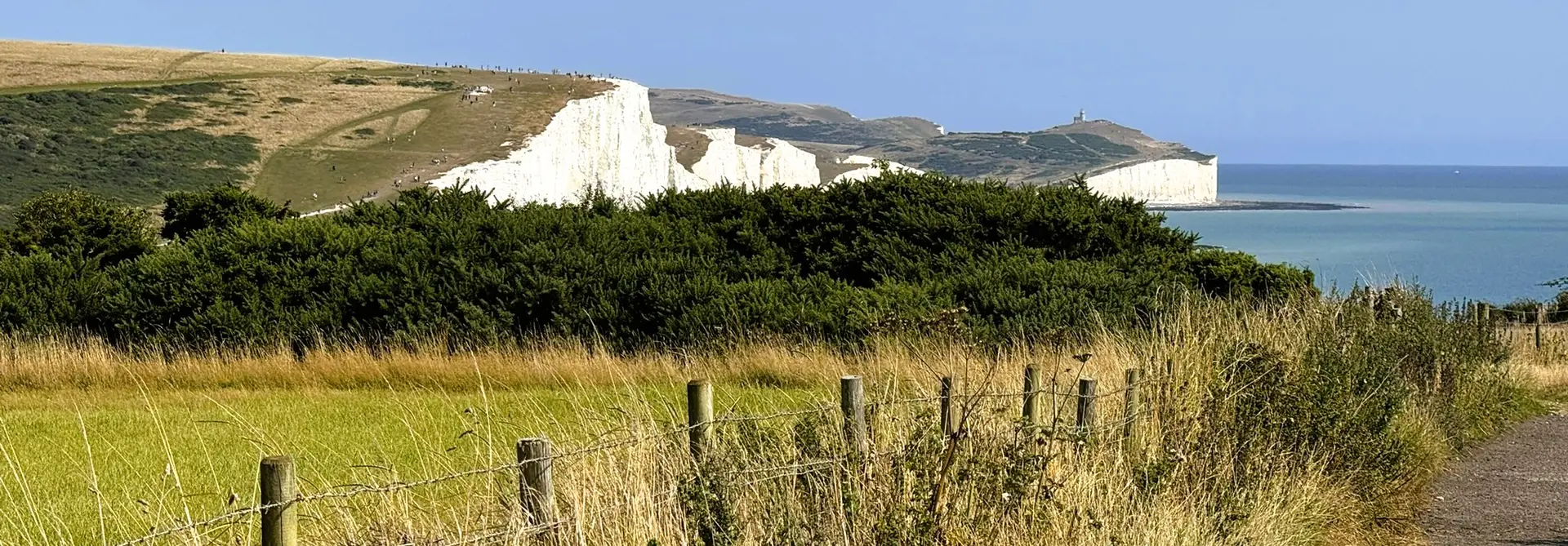
- Our Biodiversity Net Gain (BNG) Services in England:
- BNG baseline habitat surveys (Metric 4.0 compliant)
- Biodiversity unit calculations & deficit analysis
- Habitat creation, enhancement & on-site mitigation design
- Biodiversity Gain Plans (BGP) for planning submission
- Off-site BNG strategy & unit sourcing advice
- Habitat Management & Monitoring Plans (HMMP)
- Pre-application BNG feasibility & risk reviews
- Planning condition discharge & post-consent support
We follow a simple, transparent process to ensure your project runs smoothly from the very first contact to the final report. Our approach is designed to provide you with clarity at every step, so you’re fully informed and confident in moving forward.
01
Step 1: Request a Quote
Fill out our quick quote form or call us, and our team will provide a free, no-obligation quote, outlining the services tailored to your needs.
02
Step 2: Confirm Your Booking
Once you approve the quote, simply return the booking form. We’ll schedule your survey and ensure all the details are taken care of.
03
Step 3: Receive Your Report
After your survey is completed and payment is received, we’ll promptly issue your survey report, ensuring you get the results as quickly as possible.
In the past year, we’ve delivered over 750+ audit-ready reports supporting 400+ projects for developers, planners, and architects nationwide. We put quality over quantity and build lasting relationships based on trust, ensuring your planning applications are backed by robust evidence and delivered on time.
What is Biodiversity Net Gain?
“Biodiversity Net Gain” refers to an approach where development projects result in more (or higher quality) natural habitat after construction than existed beforehand. In England, BNG has become a mandatory part of the planning system under the Environment Act 2021. Developers must demonstrate a 10% net gain in biodiversity value compared to the site’s pre-development baseline. This is measured using a standardised biodiversity metric calculator that converts habitats (like grassland, hedgerows, woodlands, etc.) into biodiversity units. The goal is to make new developments contribute to ecological restoration and halt the decline in wildlife.
BNG operates alongside existing environmental protections (e.g. for protected species or sites) and the mitigation hierarchy (avoid, minimise, compensate). However, it goes further by requiring an overall improvement in habitat. In summary, BNG ensures sustainable development by leaving nature better off for instance, a project might create new wildflower meadows or ponds to offset any habitat lost to construction. Current biodiversity net gain guidance and local biodiversity net gain regulations set out how this should be done.
BNG Requirements for Small Developments
Small developments in England are subject to the same core BNG rules as larger projects, but with some differences in implementation. Since April 2024, all non-major (small) planning applications in England must comply with mandatory BNG. Think of this as your small sites BNG guide: clear steps, BNG regulations, and practical design actions to reach the 10% uplift.
Defining “Small Sites”
In planning terms, a “small development” is essentially any project that is not classified as a major development. Typically, this means:
- Residential sites with 1–9 dwellings on a site of ≤1 hectare (or if the number of homes is not specified, a site under 0.5 hectares).
- Non-residential projects creating <1,000 m² of new floorspace or using ≤1 hectare of land.
In short, most minor and small-scale building projects – from single houses to small commercial builds fall into this category. (Developments involving minerals extraction or waste facilities are always treated as “major”.) Where environmental impact assessment (EIA) applies, BNG integrates alongside EIA to ensure biodiversity in planning remains central.
Mandatory Net Gain and Timeline
Mandatory BNG requirements came into force for small sites on 2 April 2024 (major sites from 12 February 2024). From that date, any new planning permission for a non-major development must include a condition for at least 10% biodiversity net gain. As a small developer you need to:
- Calculate the site’s baseline habitat units before development (using the approved metric tool/biodiversity net gain calculator).
- Plan habitat enhancements so that post-development biodiversity units are at least 10% higher than baseline.
- Submit a Biodiversity Gain Plan for approval by the local planning authority.
- Maintain the enhanced habitats for a minimum of 30 years, secured by legal agreement and supported by a Habitat Management and Monitoring Plan.
Some LPAs may voluntarily seek higher net gain as local policy. Integrate BNG early just like building regulations and other planning conditions to avoid redesigns later. This approach strengthens green infrastructure and supports project sustainability.
BNG Exemptions for Small Sites (householder, self-build, temporary impacts)
There are a few situations where small projects do not have to deliver BNG. The UK framework includes specific BNG exemptions to avoid undue burden on tiny or special developments.
BNG small sites exemption
De minimis tiny sites: If habitat impact is negligible affecting <25 m² of habitat or <5 m of hedgerow and no priority habitat is harmed, BNG is not required (evidence may be needed).
BNG exemptions: change of use
Change-of-use applications that don’t involve physical development or habitat disturbance typically fall outside BNG. If a site is entirely hardstanding or built form (zero natural habitat), there may be no baseline units, so no net gain can be calculated.
BNG temporary impacts
Temporary habitat impacts that will be fully restored within 2 years can be excluded from BNG calculations (e.g., a temporary works compound that is reinstated).
BNG self-build exemption
Self-build/custom-build schemes can be exempt if they meet criteria (e.g., ≤9 dwellings and ≤0.5 ha), removing the need to deliver net gain.
Permitted development and statutory exceptions
Projects delivered through permitted development or certain statutory routes are exempt. Urgent Crown developments and specific nationally significant schemes are excluded.
Are retrospective applications exempt from BNG?
Yes, at present: retrospective applications (seeking permission after building) are generally exempt because pre-commencement BNG conditions can’t be applied. Always confirm case-by-case with your LPA. For edge cases, consult BNG PPG (Planning Practice Guidance) and your LPA’s biodiversity net gain guidance.
Using the Small Sites Metric (SSM explained)
The BNG Small Sites Metric (SSM) is a streamlined biodiversity net gain calculator for eligible small developments. It simplifies inputs and speeds up submission.
- Eligibility: Use SSM if your project meets the small-site criteria and no priority habitats, designated sites or European-protected species are present.
- Simplified inputs: SSM assumes habitat condition for typical small-site habitats (gardens, grassland, scrub, ponds) to avoid detailed condition scoring.
- No ecologist needed (often): A competent person (architect, PM, landscape designer) can complete SSM; many still choose an ecologist for accuracy.
- Outputs: Clear baseline and post-development units for area habitats and linear features (e.g., hedgerows). The tool shows if you’ve achieved +10%.
- Limitations: SSM doesn’t handle off-site within the sheet; you can still deliver off-site with supporting evidence to your LPA.
Prefer a walkthrough? See SSM explained below and our architect checklist under architect BNG requirements.
How to Achieve BNG on a Small Site
Meeting the 10% target on a compact plot is achievable with early design choices and smart nature-based solutions.
Biodiversity Net Gain Examples (small sites)
- Replace close-board fencing with native hedgerow creation.
- Convert amenity lawn to species-rich meadow, boosting ecosystem services and natural capital.
- Add street trees, pocket woodlands, and green roofs/green walls.
- Install bird/bat boxes, bee bricks and log piles for wildlife habitats.
- Incorporate rain gardens/SuDS planting to deliver multifunctional habitat enhancement.
Unsure How Biodiversity Net Gain Applies to Your Small Development?
BNG rules can be confusing for smaller sites. Our ecologists can review your site, confirm whether exemptions apply and check biodiversity unit calculations before you submit your planning application.
On-Site Habitat Enhancements
Prioritise on-site gains first (avoid/minimise, then enhance). Retain mature trees, protect priority habitats, and design planting for long-term success. Our team identifies high-value habitat enhancement options that fit small-site constraints.
Architect BNG requirements: protect priority habitats, integrate green roofs/walls, retain mature trees, and design-in SuDS planting to hit the BNG small sites metric target early.
Off-Site Units and Statutory Credits
If space is tight, consider biodiversity offsetting via registered off-site units (ideally local). Where on-site and off-site still can’t deliver the uplift, purchase statutory biodiversity credits as a last resort. Document off-site/credit arrangements clearly in your Biodiversity Gain Plan and ensure units are properly registered.
Biodiversity Gain Plan & Long-Term Management
A compliant submission normally includes:
- Baseline biodiversity units (metric/SSM output).
- On-site measures and any off-site/credits with evidence.
- A delivery map and programme.
- A 30-year commitment secured by legal agreement and supported by an HMMP (Habitat Management and Monitoring Plan).
We can provide practical biodiversity action plans, simple monitoring schedules, and advice on developer responsibilities so management remains proportionate and cost-effective.
Our BNG Services for Small Developers
- Site Survey & Baseline Assessment – ecologist visit, constraints check, metric/SSM baseline.
- BNG Strategy & Metric Calculation – design input, unit forecasting, value-for-money conservation strategies.
- Biodiversity Gain Plan Preparation – LPA-ready documents and maps aligned with biodiversity net gain guidance.
- Habitat Management & Monitoring Plan – tailored HMMP to support 30-year commitments.
- Planning Support & Liaison – responses to LPA queries/conditions.
- Implementation & Aftercare – contractor briefings, species-appropriate planting, and proportionate monitoring.
We coordinate related services (e.g., Noise Surveys, Air Quality Assessments) to keep your environmental obligations streamlined.
Benefits of BNG Compliance (Why Choose Us)
- Smoother Planning Approvals – transparent biodiversity in planning narrative reduces objections.
- Enhanced Project Value – green features improve marketability and long-term appeal.
- Ecosystem Services & Wellbeing – better drainage, shade, amenity, and community benefits.
- Future-Proofing – align with evolving biodiversity net gain UK policy and BNG regulations.
- Efficiency & Expertise – small-site specialists delivering pragmatic, cost-effective outcomes.
Conclusion & Next Steps
For biodiversity net gain for small developers England, we align biodiversity net gain guidance with your budget and programme. By understanding the rules, leveraging the BNG small sites metric, and bringing in the right expertise, you can achieve the 10% net gain without derailing your project timeline. Contact us for a swift review of your drawings and a clear route to approval.
References and Useful Resources
- Defra & Natural England – Biodiversity Metric: Calculate the biodiversity net gain of a project or development
- Lichfield District Council – Biodiversity Net Gain (BNG) Guidance for Planning Applications
- East Devon District Council – How is Biodiversity Net Gain Measured?
- Defra (July 2025) – The Statutory Biodiversity Metric: User Guide
- North Hertfordshire District Council – How to Measure Biodiversity Net Gain
- Chartered Institute of Ecology and Environmental Management (CIEEM) – Biodiversity Net Gain Case Studies & Good Practice
- CIEEM – Biodiversity Net Gain Report and Audit Templates
- UK Statutory Instruments – The Biodiversity Gain Requirements (Exemptions) Regulations 2024
- Natural England – Habitat Management and Monitoring Plan (HMMP) Template (JP058)
- Defra – Biodiversity Gain Plan: Template and Guidance
- Defra – Guidance: Understanding Biodiversity Net Gain
- Natural England – Biodiversity Net Gain: Where to Start
Our Core Values – Built on TRUST
Frequently Asked Questions
This FAQ section addresses common questions from small developers navigating Biodiversity Net Gain (BNG) requirements under the Environment Act 2021. It explains how BNG applies to smaller sites, which developments may be exempt, when surveys and calculations are required, and how proportionate Biodiversity Gain Plans can be delivered cost-effectively. These FAQs are designed to help small developers understand their obligations, reduce planning risk and progress applications with confidence.
When did BNG for small developers become mandatory?
BNG for small developers became mandatory in England on 2 April 2024. From that date, any new non-major planning application must include at least a 10% biodiversity net gain. Major sites have followed this requirement since February 2024, but BNG for small developers started two months later to give smaller projects time to prepare.
What qualifies as a small site under BNG for small developers?
Under BNG for small developers, a “small site” usually means up to 9 dwellings on one hectare or less, or a non-residential project under 1,000 m² floorspace. These definitions help LPAs decide which version of the biodiversity metric or Small Sites Metric (SSM) you must use for BNG for small developers’ compliance.
Are any small development projects exempt from BNG for small developer’s rules?
Yes. Some schemes are exempt from BNG for small developer’s requirements for example, householder applications, self-build exemptions, and “de minimis” developments affecting under 25 m² of habitat. The BNG for small developer’s framework allows these limited exclusions to reduce unnecessary administrative work on tiny projects.
Does BNG for small developers apply to change-of-use or extensions?
Most householder extensions are outside BNG for small developer’s requirements. Change-of-use applications are only covered by BNG for small developers if they remove or degrade existing habitats. Purely internal alterations on fully hard-surfaced plots generally have no biodiversity baseline to measure, so no net gain target applies.
Are retrospective applications affected by BNG for small developers?
At present, BNG for small developers does not apply to retrospective applications. Because BNG conditions are imposed before construction, projects already built cannot usually be assessed retrospectively. That said, voluntarily adding biodiversity features can still demonstrate good faith and help when negotiating with planning authorities.
How do small developers calculate biodiversity units under BNG for small developers?
The easiest method for BNG for small developers is to use the Small Sites Metric (SSM) or the statutory biodiversity metric. Both tools calculate the site’s baseline and post-development biodiversity units. Our ecologists regularly guide clients through this process to make sure their BNG for small developer’s submissions are accurate and accepted first time.
Can BNG for small developers be achieved without hiring an ecologist?
Sometimes, yes. The Small Sites Metric allows competent people to self-assess if the site is simple. However, an ecologist’s review can prevent costly errors and planning delays. We often help clients deliver BNG for small developer’s calculations quickly, ensuring the Local Planning Authority (LPA) accepts their results.
What options exist if a site can’t achieve 10 % on-site under BNG for small developers?
When space is limited, BNG for small developers can rely on off-site biodiversity units or statutory credits. You can purchase registered off-site units through the Natural England habitat register or buy government credits as a last resort. We help identify cost-effective off-site options to keep your BNG for small developers’ project compliant.
How long must biodiversity gains last under BNG for small developers?
All habitats created or enhanced through BNG for small developers must be secured for at least 30 years via a planning condition or legal agreement. This ensures that BNG for small developers delivers measurable, lasting ecological benefit rather than short-term landscaping.
What are the key benefits of BNG for small developers?
Implementing BNG for small developers brings several benefits:
- Smoother planning approvals and fewer objections.
- Stronger project reputation for environmental responsibility.
- Added value through attractive green features and improved ecosystem services.
- Compliance with national biodiversity net gain guidance and future-proofing against tighter regulations.
Working with professionals experienced in BNG for small developers makes the process simpler, faster, and more financially efficient.
Testimonials
Trusted by Clients Across the UK – Consistently Rated 5-Stars for Professionalism and Expertise

 Denise Skinner
Trustindex verifies that the original source of the review is Google.
Excellent Pump House Designs Battle OfficeVery efficient and professional service provided on one of our local projects
 James LukerI found ACP to be both cost effective and and very professional in the emergence survey that they recently undertook for me. I would highly recommend their services
 Danai TsiouriI recently worked with ACP Consultants for a bat emergence survey and was thoroughly impressed with their service. They were highly responsive, efficient, and delivered the work quickly without compromising on quality. The team was professional throughout and clearly knowledgeable in their field. Beyond bat surveys, they offer a wide range of ecological and other consultancy services, and I’m looking forward to working with them again in the future. Highly recommended!
 Manahil KhanACP has been great to work with—efficient, friendly, and professional. Megan was especially helpful and made sure we met all our requirements smoothly. Really appreciated the support!
 Zayn SaleemiWe recently used ACP for an air quality assessment and were extremely impressed with the service. Megan was professional, knowledgeable, and incredibly helpful throughout the entire process. She made everything straightforward and was always on hand to answer any questions we had. The report was thorough and delivered promptly. Highly recommended – would definitely work with them again.
 Katie CDavid and Megan from ACP were so helpful in assisting us with a PEA. We needed an ecological report to submit to the council and they are also helping us with a PRA. They have been so quick with everything and helped us understand it all.
 Paul HuntI was asked by the council to provide a biodiversity net gain assessment to support my planning application for a small extension to my house. ACP helped provide a statement to explain that the development was below the threshold and therefore exempt, saving me time and money! Highly recommend.
 Kayleigh DixonACP provided an air quality assessment to support my planning application. They were extremely helpful and managed to undertake it with a short turn around in order to meet a tight deadline with the council!
 Keith SpouncerI had a PEA done earlier this year. Fast delivery and easy to work with. I would definitely recommend!
Need Practical BNG Support Without Unnecessary Cost or Complexity?
We support small developers with proportionate BNG surveys, assessments and Biodiversity Gain Plans that meet planning requirements without over-engineering the solution.
- Last Updated:
- October 2026
Disclaimer: Our content is prepared by ACP Consultants’ in-house specialists and is based on current guidance, standards, and best practice in environmental consultancy. While we make every effort to keep information accurate and up to date, it is provided for general guidance only and should not be relied upon as a substitute for professional advice on specific projects. Planning authorities retain final decision-making powers, and requirements may vary between local authorities and over time. ACP Consultants accepts no liability for any loss arising from reliance on this content without obtaining tailored advice for your project.