
Bat Survey North Norfolk District
A bat survey in North Norfolk District may be required where development proposals could affect buildings, trees or habitats capable of supporting bats.
Planning authorities may request ecological information to determine whether protected species, bat roosts or important feeding habitats could be affected.
Bats are legally protected under UK wildlife legislation. Ecological surveys provide evidence that helps planners assess potential impacts and identify proportionate mitigation where necessary.
ACP Consultants provides bat surveys for planning in North Norfolk District for homeowners, architects, planning consultants and developers. Our ecologists use recognised ecological survey techniques and established bat survey methodology, following guidance from Natural England, the Bat Conservation Trust and CIEEM.
North Norfolk includes historic coastal settlements, rural villages, farmland, hedgerows and mature trees.
Older buildings, barns, roof voids and tree cavities can provide roosting opportunities. Early ecological advice can help identify survey needs, seasonal constraints and suitable next steps before a planning application is submitted.
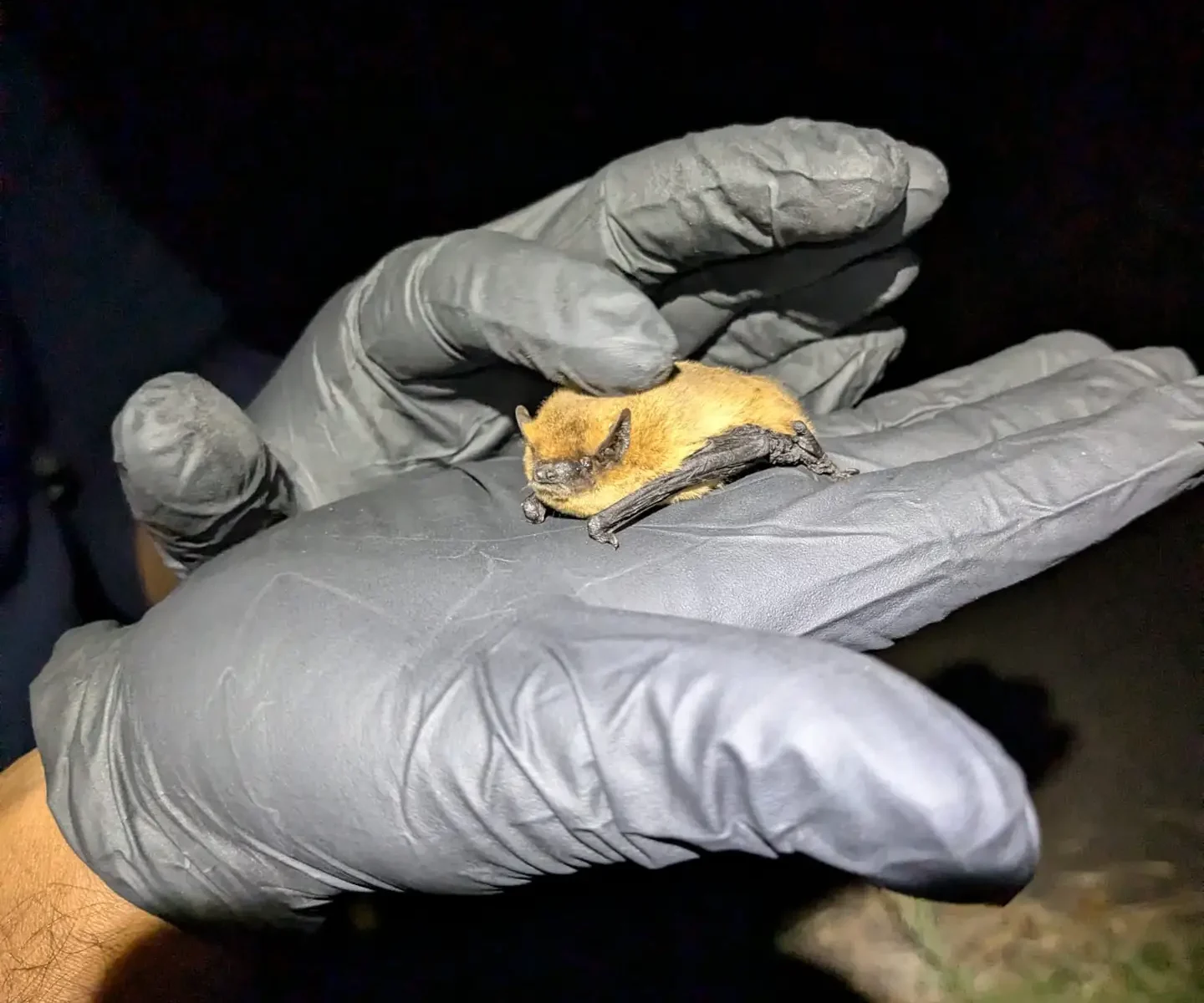
We follow a simple, transparent process to ensure your project runs smoothly from the very first contact to the final report. Our approach is designed to provide you with clarity at every step, so you’re fully informed and confident in moving forward.
01
Step 1: Request a Quote
Fill out our quick quote form or call us, and our team will provide a free, no-obligation quote, outlining the services tailored to your needs.
02
Step 2: Confirm Your Booking
Once you approve the quote, simply return the booking form. We’ll schedule your survey and ensure all the details are taken care of.
03
Step 3: Receive Your Report
After your survey is completed and payment is received, we’ll promptly issue your survey report, ensuring you get the results as quickly as possible.
In the past year, we’ve delivered over 750+ audit-ready reports supporting 400+ projects for developers, planners, and architects nationwide. We put quality over quantity and build lasting relationships based on trust, ensuring your planning applications are backed by robust evidence and delivered on time.
Do I Need a Bat Survey for Planning?
Planning authorities may request ecological survey information where development proposals could affect buildings, trees or habitats that may support bats.
Common situations where bat surveys for planning in North Norfolk District may be required include:
- Demolition of buildings or structures
- Renovation of older houses or cottages
- Roof alterations, loft conversions or re-roofing works
- Conversion of agricultural buildings such as barns
- Removal or pruning of mature trees
- Installation of lighting near woodland edges or watercourses
- Development close to wetlands, hedgerows or river corridors
Many properties across North Norfolk include roof spaces, timber beams and external crevices that may provide access to roosting spaces for bats. Mature trees with cavities or loose bark can also support bat roosts.
Where such features are present, a preliminary roost assessment in North Norfolk District may be recommended as the first stage of ecological investigation.
Bat Survey Process Explained
Bat surveys usually follow a staged process designed to determine whether bats may be present and whether further investigation is required. This structured approach ensures surveys are proportionate and follow recognised bat survey methodology used within protected species surveys across England.
The process begins by assessing buildings, trees and surrounding habitats for features that could support bat roosts. These may include roof voids, gaps beneath tiles, cracks in masonry, lifted flashing, timber cladding and cavities within mature trees. Ecologists also consider nearby woodland edges, hedgerows, ponds, rivers and other habitats that may provide feeding or commuting routes.
Where suitable features are identified, further surveys may be recommended to confirm whether bats are present and how they use the site. This can include dusk emergence or dawn re-entry surveys during the active bat survey season.
Survey findings help establish the level of ecological risk and inform clear recommendations for planning. These may include design changes, sensitive lighting, timing restrictions, mitigation measures or licensing support where a confirmed roost could be affected.
Using a staged survey process helps ensure ecological evidence is gathered efficiently and presented clearly for homeowners, architects, planning consultants, developers and planning authorities.
Preliminary Roost Assessment (PRA)
A preliminary roost assessment North Norfolk District is a daytime ecological inspection undertaken by a qualified ecologist. It is often the first stage of the bat survey process. The assessment can usually be completed throughout the year. It helps determine whether further bat surveys may be required to support a planning application.
During the survey, buildings and trees are examined for features capable of supporting bat roosts. These include gaps beneath roof tiles, cracks in brickwork or timber cladding, and loft voids with suitable access points. Lifted flashing, soffits and cavities within mature trees are also inspected. The ecologist looks for evidence of bat activity. This may include droppings, staining, feeding remains or potential access points that could indicate roost use.
Ecologists also assess the surrounding habitat, including woodland edges, hedgerows and watercourses. These features may support bat activity by providing important commuting routes and feeding areas. This stage forms part of a wider protected species survey process. It may also provide baseline information for an ecological impact assessment.
The findings establish the site’s bat roost potential. They determine whether no further surveys are required. Alternatively, seasonal activity surveys may be recommended, including bat emergence or re-entry surveys.
Bat Emergence Survey
If potential roost features are identified during the preliminary assessment, further activity surveys may be recommended. A bat emergence survey North Norfolk District records bats leaving a roost at dusk, while re-entry surveys record bats returning before sunrise.
Ecologists position themselves around buildings or trees so that likely access points can be observed clearly. Specialist acoustic detectors are used to record ultrasonic bat calls, while visual observations help confirm where bats emerge, how many are present and how they use the site.
These surveys are usually completed during the active bat season, when bats are more likely to be detected. Depending on the level of roost potential and the type of development proposed, more than one survey visit may be required to gather reliable evidence.
The findings help identify bat species, roost locations and activity levels. They also support recommendations on mitigation, timing of works and whether further ecological input may be needed.
Survey results may contribute to ecological planning submissions, environmental impact reports, or ongoing biodiversity monitoring. They provide planning authorities with clear evidence about how bats use the site and whether development could affect a legally protected roost.
Reporting and Planning Submission
Multiple surveys may be required to confirm whether bats are present, identify the species recorded and understand how a roost is used. Once fieldwork is complete, the findings are reviewed and presented within a clear ecological report that supports planning applications in North Norfolk District.
The report explains the survey methods, site conditions, access arrangements and any limitations affecting the assessment. It also records the results of the preliminary roost assessment, bat emergence survey or re-entry surveys completed at the site.
Where bats are identified, the report outlines the roost type, activity observed and likely effects of the proposed development. Recommendations may include design amendments, sensitive lighting, timing restrictions, further survey work or proportionate mitigation measures.
If no evidence of bats is recorded, the report provides a clear justification for the conclusions reached and explains whether any precautionary measures remain appropriate.
Reports are prepared for review by homeowners, architects, planning consultants, developers, planning officers and ecological consultees. They provide practical next steps and planning-ready ecological evidence for submission to North Norfolk District Council, helping demonstrate that protected species have been considered appropriately within the proposed development.
Mitigation, Licensing and Planning Support
Where bats are confirmed during survey work, ecologists may recommend mitigation measures to ensure development does not negatively affect protected species and complies with relevant legislation. Mitigation measures can include:
- Timing of works to avoid disturbance
- Retention of roost features where possible
- Installation of bat boxes or alternative roosting habitat
Mitigation strategies are designed based on survey findings and site conditions, ensuring impacts are avoided or reduced where possible and aligned with recognised ecological guidance. In some cases, a protected species licence may be required before works proceed, particularly where roosts could be affected. These measures help support habitat preservation, maintain bat populations and allow development works to proceed while maintaining appropriate ecological safeguards and compliance with planning requirements, supporting sustainable development outcomes.
Bat Survey Season and Planning Timelines
Some bat surveys are seasonal because bats are active and detectable only during certain months of the year. Activity surveys, including emergence and re-entry surveys, are typically undertaken between May and September, when bats are more likely to leave or return to roosts and can be recorded using acoustic monitoring equipment.
A preliminary roost assessment North Norfolk District can usually be completed throughout the year. This allows potential roost features within buildings or trees to be identified before the active season begins. However, where further activity surveys are recommended, these must normally be scheduled within the appropriate bat survey season.
The number and timing of survey visits will depend on the level of roost potential, the structure being assessed and the proposed development. Some projects may require more than one dusk or dawn survey to gather reliable evidence for planning.
Early ecological advice is therefore important. Commissioning surveys before submitting a planning application can help avoid seasonal delays and provide enough time for reporting, mitigation design or licensing support where required.
Further guidance is available on our bat survey season and timelines page, including how seasonal constraints may affect projects across North Norfolk District.
Costs and Timescales
The cost of a bat survey depends on several project factors, including:
- number of buildings or trees being assessed
- size and complexity of the site
- surrounding habitat and landscape features
- whether activity surveys are required
- A preliminary roost assessment North
Norfolk District is generally the quickest stage of the survey process and can usually be completed throughout the year. If the assessment identifies features with bat roost potential, additional activity surveys may be recommended. Bat emergence surveys and re-entry surveys are seasonal and may require multiple visits during the active survey season to collect sufficient ecological evidence.
Project timescales therefore vary depending on the survey requirements, the complexity of the site and the time of year. Seeking ecological advice early can help identify any survey requirements before a planning application is submitted, reducing the risk of seasonal delays.
Following completion of the surveys, a planning-ready ecological report is prepared outlining the survey findings, conclusions and recommendations. For project-specific guidance, see our information about bat survey costs and timescales or contact our team for a quotation tailored to your development in North Norfolk District.
Local Planning Policy and Biodiversity Considerations
Planning authorities across England are required to consider biodiversity and protected species when determining development proposals.
North Norfolk District Council assesses ecological impacts as part of the planning process. Where development proposals could affect protected species or habitats, ecological information may be requested to support planning applications.
Bat surveys may contribute to planning submissions by providing information that can be used within an ecological impact assessment or environmental documentation.
National planning policy encourages development that protects biodiversity and enhances ecological networks where possible. Surveys therefore play an important role in identifying potential impacts and recommending appropriate mitigation measures.
Where required, ecological reports may support planning conditions relating to biodiversity monitoring or protected species mitigation.
Local Planning and Habitat Context
North Norfolk District contains a distinctive landscape characterised by coastal settlements, rural farmland and traditional market towns. The built environment often includes historic brick, flint and timber buildings that may contain roof voids or crevices capable of supporting bat roosts.
Towns such as Cromer, Sheringham and Holt contain many historic buildings dating from earlier centuries. Renovation or alteration of these structures may require ecological surveys where roof spaces or traditional building materials provide suitable roosting opportunities.
Further inland, agricultural villages and rural properties often include converted barns or farm buildings. Barn conversions are a common type of development project within the district and frequently require protected species surveys because agricultural structures can provide sheltered roosting conditions.
The district’s wider landscape also supports bat populations. Woodland edges, hedgerows and river corridors provide valuable feeding habitats where bats forage for insects during the evening.
Areas close to the River Bure, coastal marshes and surrounding farmland provide rich insect populations that support bat activity. In addition, bat migration patterns along coastal corridors may influence seasonal activity across the district.
These environmental characteristics mean ecological surveys and biodiversity monitoring are often considered during development proposals.
What you Receive
A bat survey undertaken by ACP Consultants typically provides a planning-ready ecological report suitable for planning submission and to support planning applications where ecological information is required. The report is written in a clear and structured format so it can be reviewed efficiently by planning officers, ecological consultees, architects and project teams involved in the development process.
The report presents site information, survey results and ecological assessment in a format aligned with recognised planning and ecological standards.
Typical contents include:
- Planning-ready ecological report – suitable for submission with planning applications or supporting ecological documentation.
- Survey methodology and ecological survey techniques – explaining how the survey was undertaken and the recognised ecological guidance followed.
- Findings from the site inspection or activity surveys – summarising observations recorded during the survey process.
- Assessment of roost potential and habitat suitability – evaluating buildings, structures or trees for features capable of supporting bats.
- Recommendations for mitigation or further surveys if required – providing practical guidance where additional ecological work may be necessary.
Where relevant, reports may also contribute to wider planning documentation including environmental impact reports or ecological assessments used within the planning process.
Need a Bat Survey for Planning in North Norfolk District?
Planning applications can be delayed if bat survey requirements are overlooked. Our qualified ecologists provide preliminary roost assessments, bat emergence surveys and planning-ready reports to support your project.
Local Coverage
Planning authorities across England must consider biodiversity and protected species when determining development proposals. North Norfolk District Council assesses ecological impacts during the planning process. Ecological information may be requested where development could affect protected species or habitats. This evidence can support planning applications and help explain the likely ecological effects of proposed works.
Bat surveys may contribute to planning submissions. Their findings can support an ecological impact assessment or other environmental documentation.
National planning policy encourages development that protects biodiversity and strengthens ecological networks where possible. Surveys therefore help identify potential impacts at an early stage. They also inform appropriate mitigation measures where ecological risks are identified.
Where required, ecological reports may support planning conditions. These conditions can relate to biodiversity monitoring, habitat protection or protected species mitigation.
Common Project Types in this Area
Typical projects requiring bat surveys for planning in North Norfolk District include barn conversions within rural villages, renovation of historic coastal properties, residential extensions, loft conversions and redevelopment of agricultural buildings. These works may affect roof voids, timber beams, wall crevices or other features that can provide suitable roosting opportunities for bats.
Tree removal and pruning can also require ecological assessment where mature trees contain cavities, splits, loose bark or old woodpecker holes. Infrastructure works involving external lighting may need further consideration where light spill could affect bat roosts, woodland edges, hedgerows or established commuting routes.
North Norfolk contains many older homes, farm buildings and traditional properties across coastal settlements and rural landscapes. Development involving these structures may therefore require a preliminary roost assessment North Norfolk District before planning applications can be determined.
Where suitable roost features are identified, a bat emergence survey North Norfolk District may be recommended during the active survey season. The findings help establish whether bats are present and whether design changes, sensitive lighting, timing restrictions or mitigation measures are required to support the proposed development.
Why Choose ACP Consultants
ACP Consultants provides ecological survey services across England and supports development projects throughout the planning process, from early feasibility advice through to ecological reporting submitted with planning applications. Our ecologists regularly undertake protected species surveys, ecological impact assessments and biodiversity monitoring programmes for a wide range of residential, rural and commercial developments.
We work with homeowners, architects, planning consultants and developers across North Norfolk District, providing practical ecological advice that aligns with recognised survey standards and current planning guidance.
Clients choose ACP Consultants because we provide:
- experienced ecological consultants with professional field survey experience
- surveys undertaken using recognised ecological survey techniques and established industry guidance
- planning support and ecological reporting suitable for planning submissions
- robust internal quality assurance processes to ensure technical accuracy
- experience working across Norfolk and wider England on a variety of development projects
Our team regularly works with homeowners, architects and developers to provide clear ecological advice that supports planning applications while ensuring ecological considerations are addressed in a proportionate and practical way. This collaborative approach helps ensure surveys are carried out efficiently and that ecological information is presented clearly within planning documentation.
References and Useful Resources
- Chartered Institute of Ecology and Environmental Management (CIEEM) – Bat Survey Guidelines for UK Homeowners
- CIEEM – What to Expect from a Bat Survey: Homeowner guide to survey stages, reporting and outcomes
- CIEEM – Bat Mitigation Guidelines (2025): Best practice guidance for mitigation design and implementation
- GOV.UK – Bats: Advice for Making Planning Decisions
- GOV.UK – Bats: Protection, Surveys and Licences
- GOV.UK – Protected Species: How to Review Planning Applications: Guidance for assessing ecological impacts within planning decisions
- Natural England – Bat Advice Service (BAS) Updates and Guidance
- Bat Conservation Trust – British Bat Survey (Passive Acoustic Surveys)
- Bat Conservation Trust – Contacting an Ecological Consultant: Advice on engaging a qualified bat ecologist for surveys and planning
- Bat Conservation Trust – Planning and the Law: Overview of legal protections and planning considerations for bats
- Bat Conservation Trust – Building or Development Works: Guidance on managing bats during construction and development
- Bat Conservation Trust – Planning and Infrastructure Act: Policy context affecting biodiversity and development
- Bat Conservation Trust – Planning and Infrastructure Policy Update (2026): Latest developments in planning and biodiversity policy
- Bat Conservation Trust – National Bat Monitoring Programme Surveys
Local References and Useful Resources
- North Norfolk Local Plan 2024–2040 (Adopted): The adopted Local Plan includes Policy ENV4 – Biodiversity & Geodiversity, requiring ecological surveys where protected species, priority habitats or veteran trees may be affected by development.
- North Norfolk District Council – Local Validation Requirements for Designated Sites, Priority Habitats and Protected Species: Explains when Preliminary Ecological Appraisals (PEAs), bat surveys and other protected-species surveys must accompany planning applications.
- Norfolk and Norwich Bat Group: Registered charity working to protect bats and raise awareness across Norfolk.
- Norfolk Wildlife Trust—Bat Research and Planning: Discusses ecological survey evidence and research involving protected barbastelle bats in Norfolk.
- Norfolk Wildlife Trust Bat Factsheet: Information about bat protection, roosting habitats and bat species found in Norfolk.
Our Core Values – Built on TRUST
Frequently Asked Questions
The following FAQs answer common questions about obtaining a bat survey North Norfolk District, including when surveys may be required for planning applications, how the survey process works and why some surveys are seasonal. They explain what to expect from a preliminary roost assessment North Norfolk District, when a bat emergence survey North Norfolk District may be recommended, and how survey findings support bat surveys for planning North Norfolk District. The FAQs also provide practical guidance on ecological reporting, survey timings, mitigation measures, licensing considerations and project timescales. Whether you are a homeowner, developer, architect or planning consultant, they explain how bat surveys help identify protected species, inform planning decisions and provide the ecological evidence required to support development proposals across North Norfolk District and the wider Norfolk area.
Do I need a bat survey for planning permission in North Norfolk District?
Planning authorities may request ecological survey information where development proposals could affect buildings, trees or habitats capable of supporting bats. A bat survey North Norfolk District helps planning officers determine whether bats may be present and whether development proposals could affect a roost or important feeding habitat.
What triggers bat surveys for planning in North Norfolk District?
Bat surveys for planning North Norfolk District are commonly requested where development involves demolition works, roof alterations, barn conversions, removal of mature trees or development near woodland edges, wetlands or watercourses that may support bat activity.
Are bats common in Norfolk and North Norfolk District?
Yes. Norfolk supports a variety of UK bat species because the county contains farmland, woodland edges, coastal habitats and rivers that provide feeding opportunities for bats. Landscapes across North Norfolk provide suitable habitats where bats forage for insects during the evening.
What is a preliminary roost assessment?
A preliminary roost assessment North Norfolk District is a daytime ecological inspection undertaken by a qualified ecologist. The survey examines buildings or trees for features capable of supporting bat roosts and forms part of a wider protected species survey process.
What is a bat emergence survey?
A bat emergence survey North Norfolk District records bats leaving a roost at dusk or returning before sunrise. Ecologists observe the building while acoustic detectors record ultrasonic bat calls to identify species and activity levels.
When is bat survey season in the UK?
Bat activity surveys are usually undertaken between May and September when bats are active and detectable using acoustic monitoring equipment. Preliminary roost assessments can usually be completed throughout the year.
What ecological survey techniques are used during bat surveys?
Bat surveys use recognised ecological survey techniques, including building inspections, dusk emergence surveys, re-entry surveys and acoustic monitoring. These methods follow established bat survey methodology used within protected species surveys across England.
What is an ecological impact assessment and environmental impact report?
An ecological impact assessment evaluates the potential effects of development on habitats and protected species. Survey findings may also be included within an environmental impact report where ecological impacts need to be assessed for planning purposes.
Can bat surveys contribute to biodiversity monitoring?
Yes. Bat surveys can contribute to biodiversity monitoring by recording species presence and activity levels. This information can help inform ecological planning decisions and habitat management.
Do bat migration patterns affect survey results?
Yes. Bat migration patterns may influence activity levels during different times of the year. Coastal landscapes such as those in North Norfolk can act as movement corridors for bats travelling between feeding habitats.
What is habitat suitability modelling in ecological surveys?
Habitat suitability modelling is an ecological assessment technique used to evaluate how suitable a site may be for particular species. In bat surveys this may involve assessing landscape features such as woodland edges, watercourses and hedgerows.
How much does a bat survey cost in North Norfolk District?
The cost of a bat survey depends on the number of buildings or trees involved, the complexity of surrounding habitats and whether additional activity surveys are required.
Testimonials
Trusted by Clients Across the UK – Consistently Rated 5-Stars for Professionalism and Expertise

 Denise Skinner
Trustindex verifies that the original source of the review is Google.
Excellent Pump House Designs Battle OfficeVery efficient and professional service provided on one of our local projects
 James LukerI found ACP to be both cost effective and and very professional in the emergence survey that they recently undertook for me. I would highly recommend their services
 Danai TsiouriI recently worked with ACP Consultants for a bat emergence survey and was thoroughly impressed with their service. They were highly responsive, efficient, and delivered the work quickly without compromising on quality. The team was professional throughout and clearly knowledgeable in their field. Beyond bat surveys, they offer a wide range of ecological and other consultancy services, and I’m looking forward to working with them again in the future. Highly recommended!
 Manahil KhanACP has been great to work with—efficient, friendly, and professional. Megan was especially helpful and made sure we met all our requirements smoothly. Really appreciated the support!
 Zayn SaleemiWe recently used ACP for an air quality assessment and were extremely impressed with the service. Megan was professional, knowledgeable, and incredibly helpful throughout the entire process. She made everything straightforward and was always on hand to answer any questions we had. The report was thorough and delivered promptly. Highly recommended – would definitely work with them again.
 Katie CDavid and Megan from ACP were so helpful in assisting us with a PEA. We needed an ecological report to submit to the council and they are also helping us with a PRA. They have been so quick with everything and helped us understand it all.
 Paul HuntI was asked by the council to provide a biodiversity net gain assessment to support my planning application for a small extension to my house. ACP helped provide a statement to explain that the development was below the threshold and therefore exempt, saving me time and money! Highly recommend.
 Kayleigh DixonACP provided an air quality assessment to support my planning application. They were extremely helpful and managed to undertake it with a short turn around in order to meet a tight deadline with the council!
 Keith SpouncerI had a PEA done earlier this year. Fast delivery and easy to work with. I would definitely recommend!
Check If You Need a Bat Survey
Whether you’re extending a property, converting a barn or removing trees, our experienced bat ecologists can help identify survey requirements and provide clear ecological advice before you submit your planning application.
- Last Updated:
- October 2026
Disclaimer: Our content is prepared by ACP Consultants’ in-house specialists and is based on current guidance, standards, and best practice in environmental consultancy. While we make every effort to keep information accurate and up to date, it is provided for general guidance only and should not be relied upon as a substitute for professional advice on specific projects. Planning authorities retain final decision-making powers, and requirements may vary between local authorities and over time. ACP Consultants accepts no liability for any loss arising from reliance on this content without obtaining tailored advice for your project.